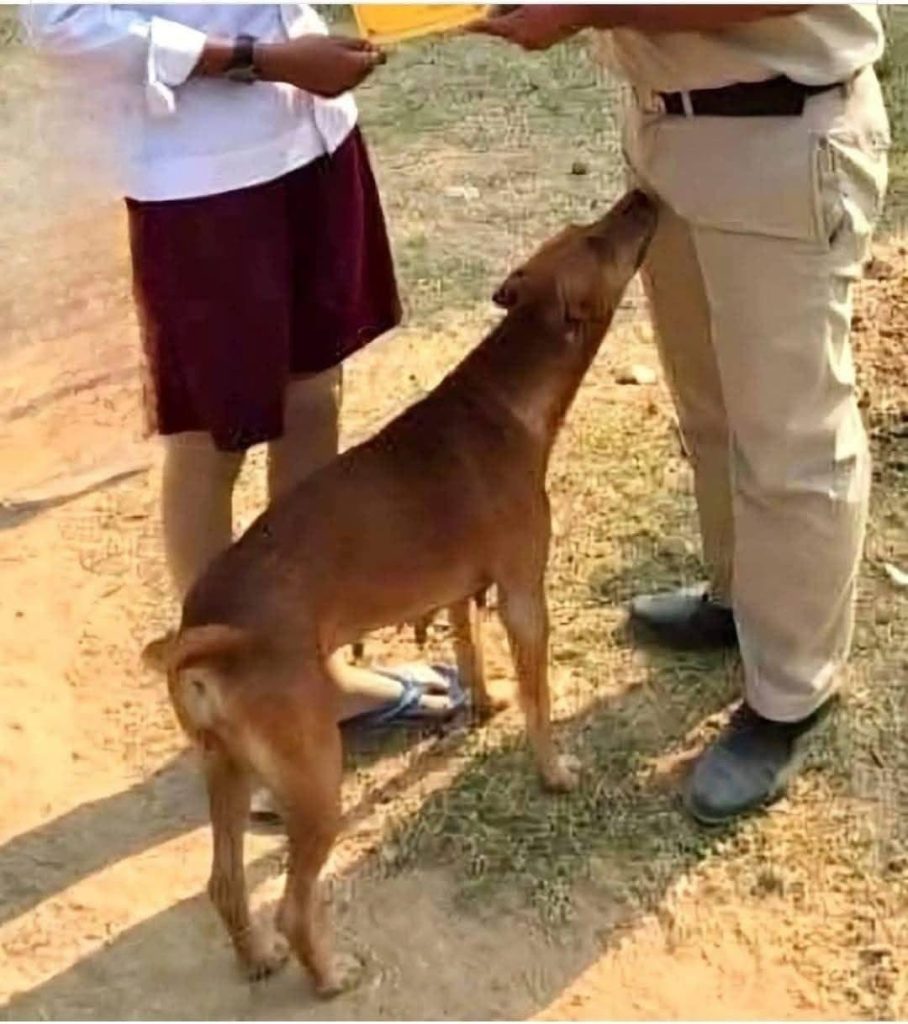
Owning a pet comes with many responsibilities, one of which is ensuring their health, safety, and overall well-being. Taking care of a dog or cat involves more than simply feeding them and providing shelter. It also requires understanding their behaviors, emotions, and ways of communicating. By learning how pets express themselves, owners can strengthen the bond they share and provide a nurturing environment.
Among the many behaviors dogs exhibit, one of the most misunderstood is sniffing, particularly in areas humans consider private. While some pet owners may be aware of the reasons behind this behavior, many are still puzzled or even embarrassed when their dog sniffs other animals, people, or themselves in such ways.
The Science Behind Canine Sniffing
Dogs experience the world largely through their sense of smell. Unlike humans, who rely heavily on vision and sound, dogs possess an incredibly acute olfactory system. This allows them to gather an immense amount of information about their surroundings and the beings they encounter.
Sniffing is one of the primary ways dogs communicate and gather information. Specifically, dogs use their sense of smell to collect pheromones — chemical signals secreted by other animals. Humans have sweat glands called apocrine glands, which release these chemical messages. These glands are especially concentrated in areas like the armpits and genital region.
Since dogs cannot easily reach human armpits, they naturally sniff the crotch area instead. This action is their way of “saying hello” and understanding vital information about a person or another animal.
Through sniffing, dogs can determine:
- Age
- Sex
- Mood or emotional state
- Health condition
In essence, this behavior is comparable to humans shaking hands or introducing themselves. While it may feel uncomfortable to humans, it is completely normal and an essential part of canine social interaction.
Understanding Canine Communication
Because dogs are non-verbal, they rely on several methods to express themselves. Sniffing is only one of these methods. Dogs also communicate through:
- Body language
- Vocalizations
- Facial expressions
Understanding these cues helps owners respond appropriately and build a stronger connection with their pets.
When a dog approaches someone and begins sniffing, it is not being rude or intrusive. Instead, it is simply trying to gather information and establish familiarity.
Redirecting and Training Your Dog
If a dog’s sniffing behavior becomes excessive or socially inappropriate, training can help guide them toward better habits.
Using positive reinforcement, owners can redirect their dog’s attention while maintaining a supportive and encouraging approach.
Simple commands such as:
- “Sit”
- “Stay”
- “Come”
can be paired with treats to reinforce obedience and control over certain behaviors. Over time, this helps the dog understand when sniffing is appropriate and when it is not.
The Role of Positive Reinforcement
Training a dog effectively requires patience and consistency. Positive reinforcement is widely regarded as one of the most effective methods.
By rewarding desired behaviors with treats, praise, or affection, dogs learn to associate these actions with positive outcomes.
For example, if a dog begins to sniff in an awkward social situation, the owner can redirect its attention to a toy or ask the dog to sit. Rewarding obedience reinforces the idea that following instructions leads to positive outcomes.
The Role of Smell in Canine Socialization
A dog’s sense of smell is essential to its social life. Dogs use scent to:
- Recognize familiar people and animals
- Determine whether another dog is friendly or aggressive
- Identify their environment
- Navigate unfamiliar surroundings
When two dogs meet, sniffing acts as a greeting ritual similar to humans exchanging names or handshakes.
Observing Your Dog’s Behavior
Pet owners can gain valuable insight by observing their dog’s behavior carefully.
Important things to notice include:
- Frequency of sniffing – Excessive sniffing may signal curiosity, anxiety, or excitement.
- Target of sniffing – Dogs may sniff people, animals, or objects to gather different types of information.
- Response to training – Observing how quickly a dog responds to commands can guide future training strategies.
These observations help owners better understand their dog’s motivations and needs.
Common Misconceptions About Sniffing
Many people misinterpret sniffing as bad manners or sexual behavior. In reality, it is simply a natural instinct.
Dogs sniff to gather information, not to offend. Misunderstanding this behavior can lead to unnecessary embarrassment or frustration for pet owners.
Learning about canine instincts allows people to approach these moments with understanding rather than judgment.
Training Tips for Managing Sniffing
To manage sniffing behavior effectively:
- Teach basic commands like sit, stay, and come.
- Reward good behavior with treats or praise.
- Encourage controlled social interactions with other dogs.
- Remain patient and consistent during training.
Dogs learn best when guidance is calm, clear, and predictable.
The Connection Between Sniffing and Health
In some cases, changes in sniffing behavior can indicate health issues.
Unusual or excessive sniffing may signal:
- Anxiety
- Stress
- Allergies
- Other medical conditions
Monitoring behavioral changes can help detect potential problems early and prompt a veterinary visit if necessary.
Building a Stronger Human–Dog Bond
Understanding behaviors like sniffing can significantly strengthen the relationship between a dog and its owner.
Dogs thrive in environments where they feel understood and respected. When owners respond with patience and guidance, dogs feel more secure and confident.
This mutual understanding helps create a positive and trusting relationship.
Final Thoughts
Owning a dog is a rewarding experience that requires commitment, patience, and understanding. Behaviors such as sniffing are not only natural but essential for how dogs explore their world and interact socially.
By learning why dogs behave this way, pet owners can respond constructively, provide proper training, and build a stronger bond with their furry companions.
Dogs rely on humans to guide them through a world designed for people. Recognizing their behaviors as communication rather than nuisance helps create a harmonious relationship built on trust, respect, and understanding.