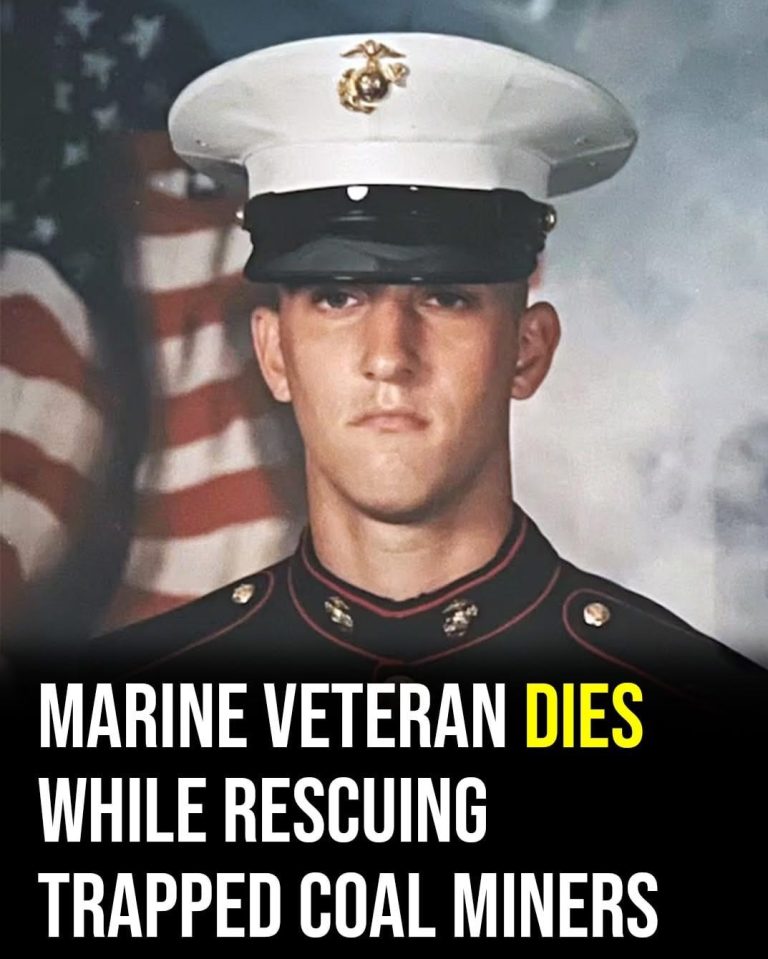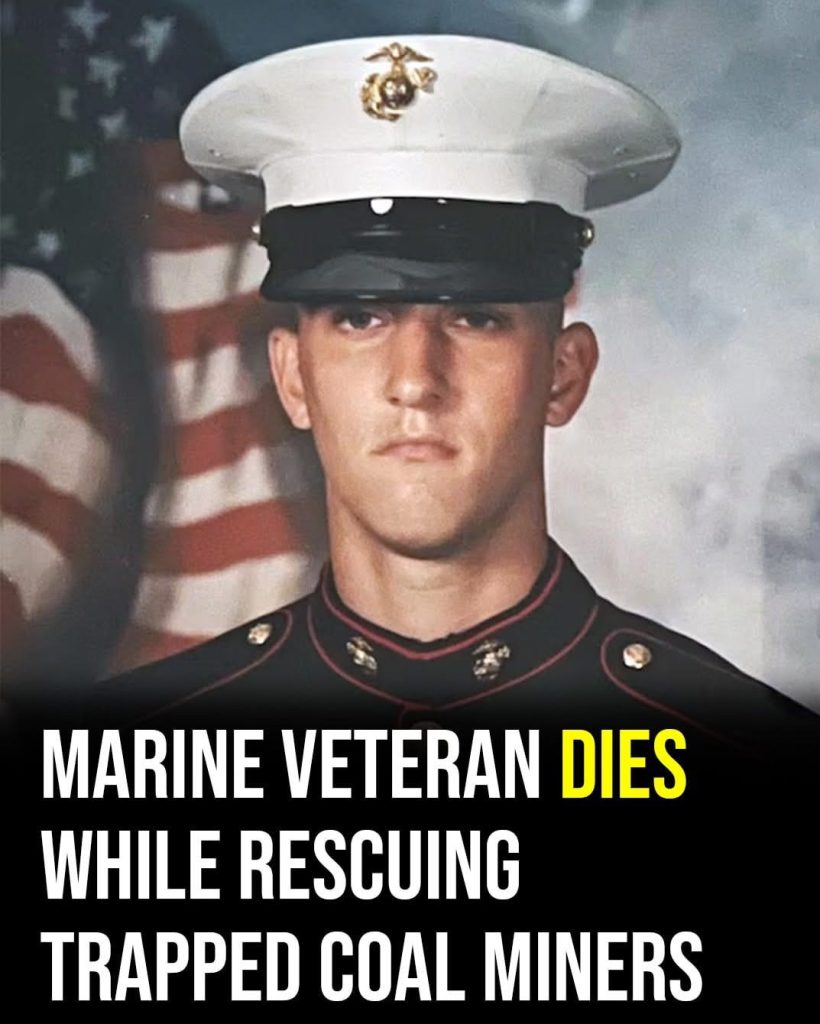
Steven M. Lipscomb lived a life that consistently reflected quiet courage, responsibility, and an unwavering commitment to others. His story is not one built on grand declarations or dramatic self-promotion, but rather on the steady accumulation of choices—choices that placed the safety and well-being of others before his own. From the battlefields of Iraq to the depths of coal mines in West Virginia, Lipscomb’s actions revealed a man who understood duty not as an abstract idea, but as something deeply personal and immediate.
Long before the day that would ultimately take his life, Lipscomb had already faced situations that tested the limits of human endurance. As a Marine deployed in Iraq during one of the most intense periods of conflict, he encountered the harsh realities of war firsthand. In Fallujah, a city known for some of the most challenging urban combat operations, he survived a roadside bomb explosion—an experience that permanently changes those who live through it. The blast could have ended his life, but he survived, earning the Purple Heart for wounds sustained in combat.
For many, surviving such an event leads to a desire for safety and distance from danger. But for Lipscomb, it deepened his sense of purpose. He returned home with the same instinct that had guided him in the military: to protect, to lead, and to stand firm when others needed support.
After his service, he transitioned into civilian life, working in the coal mining industry in West Virginia. Mining is a demanding and high-risk profession where teamwork is essential. Underground, every worker depends on the others—trust is not optional, it is vital.
Those who worked alongside him described him as calm, steady, and reliable. He led not through authority, but through example. His presence brought order during uncertain moments, and his words carried weight because they were grounded in experience and integrity.
That quiet leadership became crucial on the day everything changed.
A structural failure deep within the mine triggered a sudden emergency. A wall gave way, releasing a powerful surge of water that began flooding the tunnels. In seconds, a routine workday turned into a life-threatening situation.
While many instinctively moved toward safety, Lipscomb made a different choice.
As a foreman, he focused on others. He directed workers, guided them toward escape routes, and maintained calm under pressure—preventing panic in a moment where panic could have cost lives.
Seventeen workers were able to escape that day.
For Lipscomb, the outcome was different.
By staying behind to ensure others reached safety, he placed himself in increasing danger. As conditions worsened, he was unable to escape. His life ended in the same way it had been lived—putting others first.
Those who knew him do not see this as a single extraordinary act, but as a reflection of who he always was. He never sought recognition, rarely spoke about his past, and focused instead on doing his job and supporting those around him.
At home, he was a husband and father. To his wife Heather and daughters Greer and Stella, he was simply “Steve”—a man who showed up, stayed present, and valued everyday moments. Even after long shifts, he made time for family, demonstrating the same dedication he showed in every part of his life.
His story invites reflection on the true meaning of courage. It is not always found in dramatic moments, but in consistent actions—the willingness to take responsibility, remain calm under pressure, and act for the benefit of others.
Lipscomb’s life showed both physical courage, in surviving war, and moral courage, in choosing others over himself in his final moments.
Ultimately, his legacy is not defined by how he died, but by how he lived. A life built on integrity, responsibility, and quiet strength.
For those who knew him, he remains a husband, a father, a colleague, and a friend.
For others, his story stands as a powerful reminder:
True courage is not always loud.
Sometimes, it is simply the choice to stay—so others can leave.