In early 2026, a controversial U.S. operation in Venezuela sparked one of the most intense constitutional debates in recent American politics. What began as a high-risk mission quickly turned into a broader dispute over presidential authority, congressional oversight, and the limits between law enforcement and acts of war.
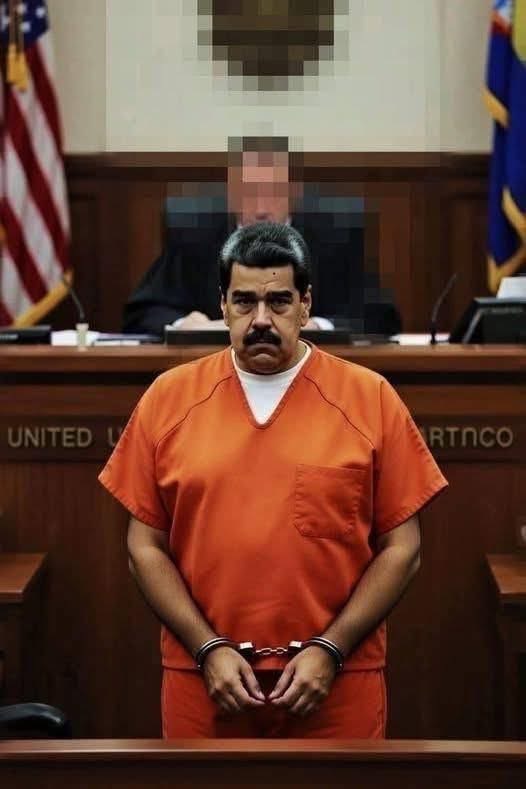
The operation reportedly involved U.S. forces carrying out a targeted raid in Caracas aimed at detaining Venezuelan leader Nicolás Maduro. Following the mission, he and his spouse were transferred to the United States to face allegations related to narcotics trafficking and corruption. While the administration described the action as a lawful enforcement operation, critics argued that the use of military assets made it resemble an act of war.
This triggered immediate concern among lawmakers and legal experts. A key issue became the War Powers Resolution, which is designed to limit the president’s ability to deploy military forces without congressional approval. In response, a bipartisan group of senators introduced a resolution to require explicit authorization for further military involvement in Venezuela.
The Senate debate quickly intensified. Some lawmakers warned that allowing such unilateral actions could weaken the balance of power between branches of government. Others defended the administration, arguing that the mission was limited in scope and did not meet the legal definition of sustained “hostilities.”
When the Senate voted, the result reflected deep division. The vote ended in a tie, with the vice president casting the deciding vote to block the resolution. This outcome allowed the administration to maintain its authority, but it also highlighted the ongoing uncertainty surrounding presidential war powers.
Internationally, the operation raised serious concerns. Critics argued that entering a sovereign nation and removing its leader without consent could set a dangerous precedent. Several countries expressed unease, and protests were reported in parts of Latin America, where the situation reignited debates about foreign intervention.
Inside Venezuela, the removal of leadership created instability and uncertainty. Efforts to establish transitional governance began, but the long-term outcome remains unclear.
The broader constitutional questions remain unresolved. Advances in modern warfare—such as rapid operations and targeted missions—have made it more difficult to define what qualifies as war under existing laws. Some experts argue that current legal frameworks are outdated, while others insist that stronger oversight is now more important than ever.
In the end, this घटना represents more than a single operation. It highlights a growing tension between executive power and democratic accountability. The debate is likely to continue, shaping future U.S. foreign policy and the balance of power within the government for years to come.