The late afternoon air was still, the kind that made every word feel heavier than usual. What began as a routine interaction quickly turned into something far more tense—an unspoken battle of authority, rights, and interpretation.
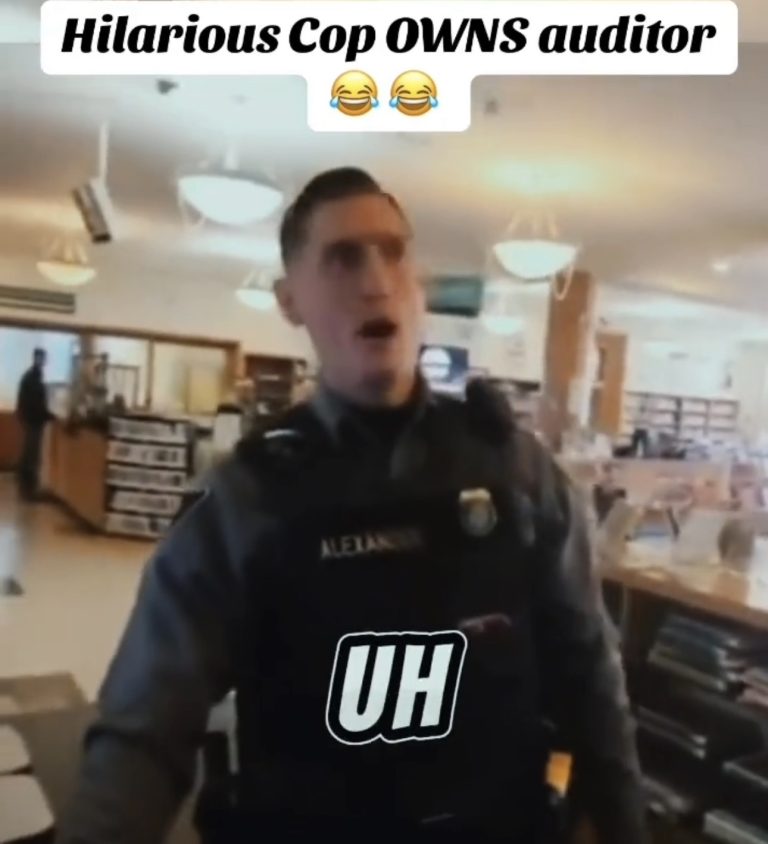
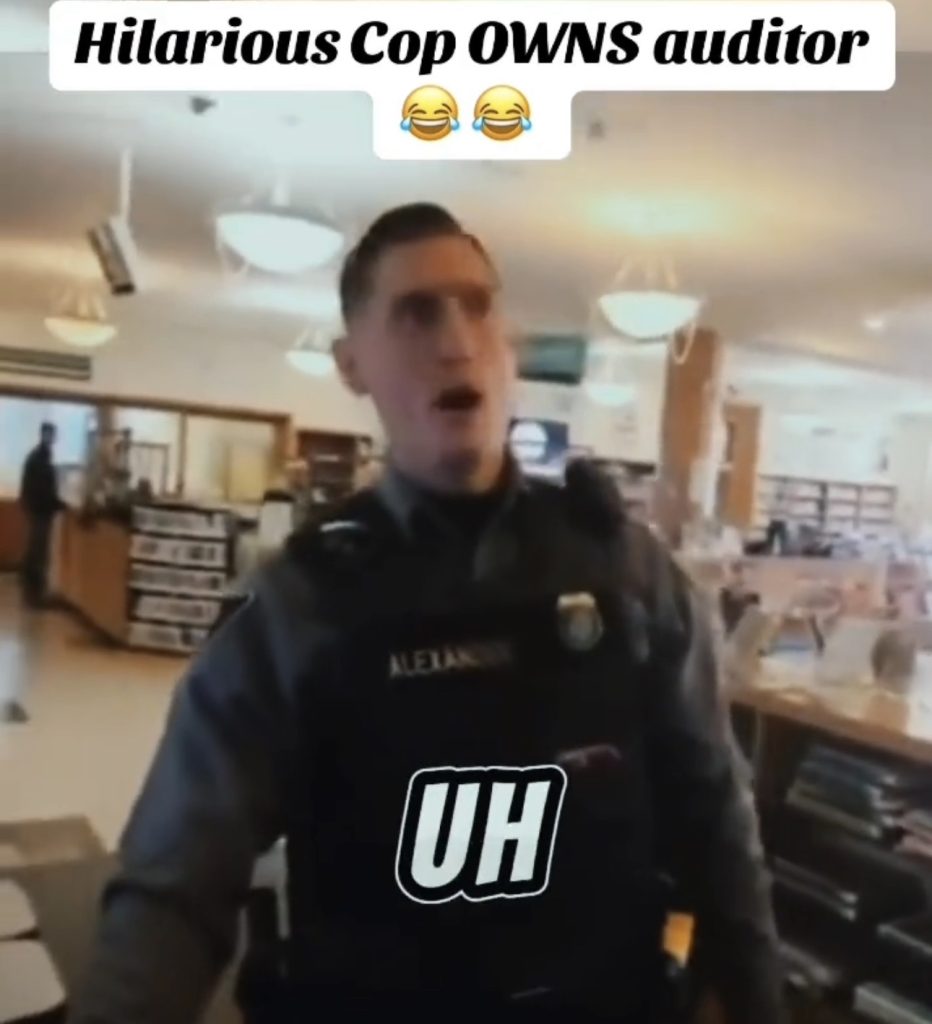
“How you doing?” the officer asked, his tone calm but firm. “Officer Alexander.”
The man facing him nodded slightly, measuring his response. Around them, there was no chaos, no crowd—just a quiet moment on the surface. But underneath, something more serious was unfolding.
“Is one of you a supervisor?” the man asked.
“I don’t believe so,” the officer replied. “I’m the senior officer here. I’ll be running the incident.”
The exchange remained controlled, but the tension was building. Each sentence felt deliberate, each word chosen carefully. The officer moved forward, shifting the conversation into a clear directive.
“You were asked to leave,” he said. “Are you refusing to leave?”
There it was—the turning point.
The man paused briefly, understanding the weight behind the question. “If I refuse to leave, you’re going to arrest me for trespassing?”
“Yes.”
A quiet acceptance followed. “Okay. That’s all I need to hear.”
It wasn’t defiance. It wasn’t fear either. It was calculation.
“So you’re leaving?” the officer asked.
“Yep, I am leaving.”
For a moment, it seemed like the situation had resolved itself. The tension eased slightly, like a knot loosening just enough to breathe again.
“Fantastic,” the officer said. “From here on out, I just need your name. What’s your badge number?”
“83.”
The man nodded, almost as if confirming a detail for something beyond the moment. “You’ll be named in the litigations,” he said.
The officer raised an eyebrow slightly. “Litigations?”
“Yes.”
The tone shifted again. What seemed like a routine compliance was now layered with intention—something that extended beyond the present.
“ID?” the officer asked.
“I don’t have any ID on me.”
“That’s not a problem,” the officer replied. “Can I grab your name then?”
This time, the answer came without hesitation. “No. Because that would be an infringement on my Fourth Amendment right.”
The air grew heavier again.
The officer paused, then responded in a more direct tone. “Alright, well then, if you’re refusing to identify yourself, you’re going to come with us.”
“Am I going to be arrested for that?” the man asked.
“Yes.”
A slight nod followed. Not resistance—acceptance, but not agreement either.
“Okay, then under duress,” he said calmly.
There was no shouting. No sudden movement. Just a quiet acknowledgment of two opposing positions that could not meet in the middle.
“I appreciate that,” the officer replied.
The man added one last line, almost as a closing statement. “I’m not going to comment on it. 18 U.S. Code 700.”
“I know,” the officer said.
And just like that, the moment ended—not with resolution, but with consequence.
Two individuals, each standing firm in their understanding of the situation. One enforcing the law as he saw it. The other asserting rights as he believed them to be.
No raised voices. No chaos.
Just a silent line drawn—and crossed.