Muscle cars are more than loud engines and aggressive looks — they are a symbol of American rebellion, raw power, and a golden era when performance mattered more than practicality. Their history begins in the early 1960s, a time when the United States was booming economically and young drivers wanted speed, attitude, and freedom on four wheels.
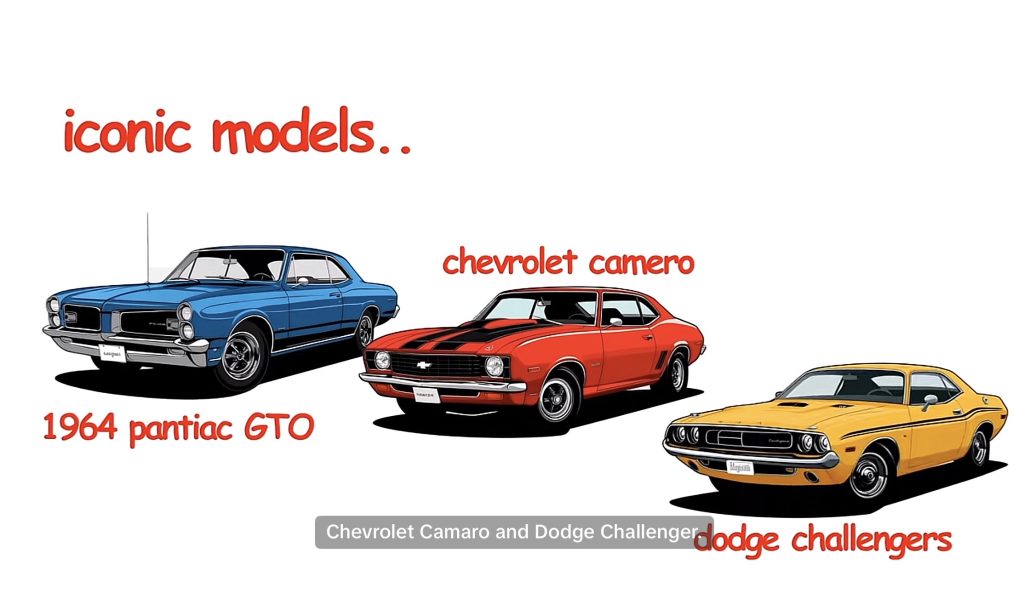
The muscle car era officially kicked off in 1964 with the release of the Pontiac GTO. While powerful cars existed before, the GTO changed everything by placing a massive V8 engine into a relatively lightweight, affordable body. This simple but bold formula — big engine, midsize car, rear-wheel drive — became the DNA of muscle cars. Suddenly, speed was no longer reserved for luxury vehicles or race cars; it was accessible to the average American.
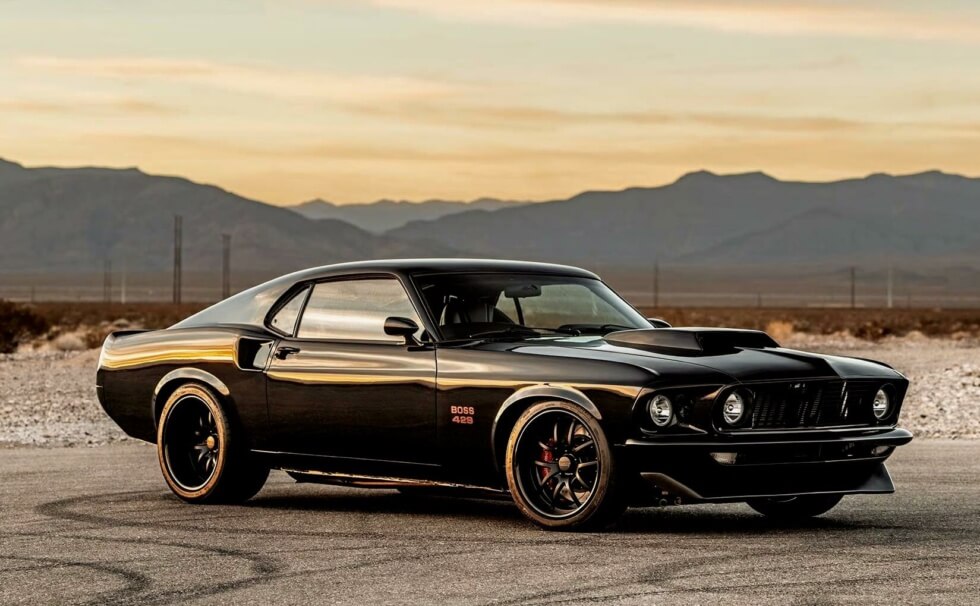
As competition exploded, every major automaker jumped into the muscle car race. Ford answered with the Mustang, which quickly became a cultural icon. Chevrolet fired back with the Chevelle SS and the Camaro. Dodge unleashed the Charger and Challenger, while Plymouth brought the Barracuda to the streets. Horsepower numbers climbed fast, designs became more aggressive, and streets turned into unofficial drag strips.
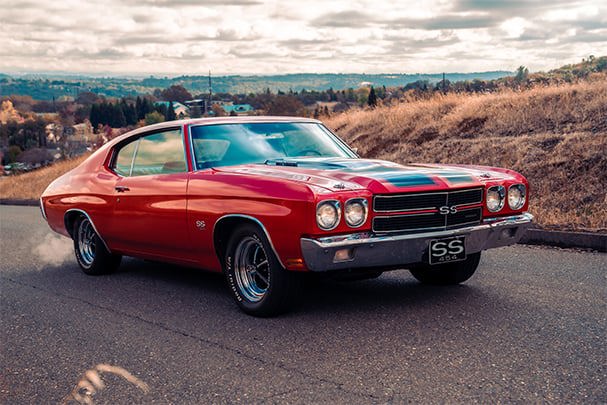
By the late 1960s and early 1970s, muscle cars reached their peak. Engines producing over 400 horsepower were common, and manufacturers openly bragged about quarter-mile times. Cars like the Dodge Charger R/T, Plymouth Hemi ’Cuda, and Chevrolet Chevelle SS 454 became legends almost overnight. This was a no-compromise era — fuel efficiency and emissions were barely a concern.
But the glory didn’t last forever. In the early 1970s, stricter emissions laws, rising insurance costs, and the oil crisis hit the industry hard. High-performance engines were detuned or discontinued altogether. By the mid-1970s, the classic muscle car era had effectively ended, leaving behind a legacy that fans would never forget.
For decades, muscle cars lived on through nostalgia, car shows, and collectors. Then, something unexpected happened. In the mid-2000s, manufacturers reignited the muscle car spirit. Dodge revived the Challenger, Ford brought back the Mustang with modern power, and Chevrolet reintroduced the Camaro. These new-generation muscle cars blended old-school attitude with modern technology, safety, and performance.
Today’s muscle cars are faster, more refined, and more powerful than ever before. With supercharged engines, advanced suspension systems, and digital interiors, they dominate both streets and racetracks. Yet, they still honor their roots — bold styling, thunderous exhaust notes, and unapologetic performance.
Muscle cars are not just vehicles; they are cultural icons. They represent freedom, individuality, and the thrill of speed. From smoky drag strips of the 1960s to modern highways, muscle cars continue to capture imaginations and prove that raw power will never go out of style.