The Middle East awoke to a dramatic escalation in regional tensions early Sunday morning, as Iran announced the launch of a new military campaign dubbed “Operation Fateh-e-Khaibar.” The operation, described by Iranian sources as a coordinated strike effort, reportedly involved ballistic missiles and drones aimed at both Israeli territory and United States military assets across the Gulf.
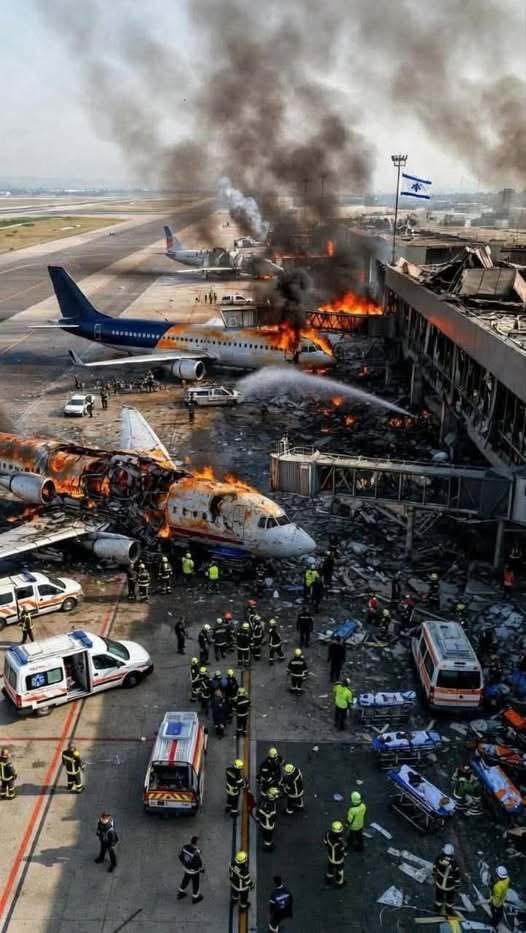
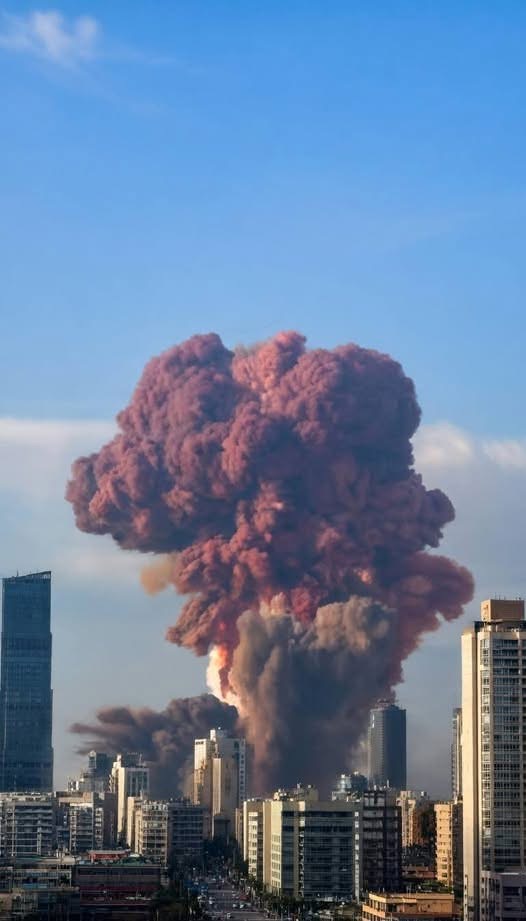
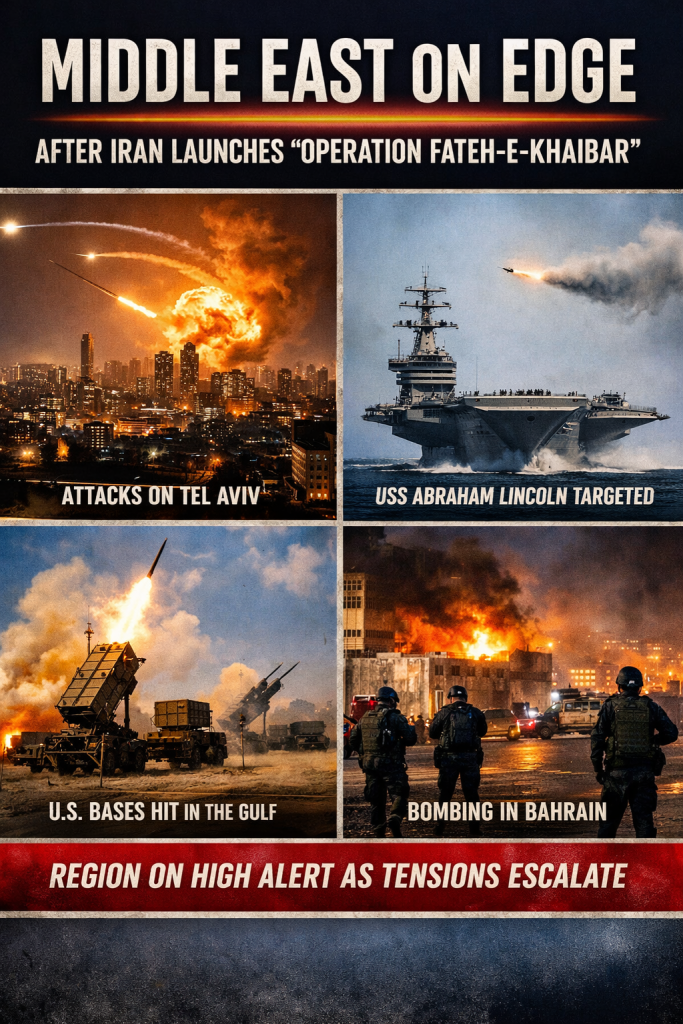
According to initial reports, Iran fired multiple ballistic missiles toward Israel. Explosions were reported in Tel Aviv and in the northern city of Haifa, sending residents into bomb shelters as air raid sirens echoed across urban centers. Israeli air defense systems were activated immediately, and military officials confirmed that interception efforts were underway within minutes of the launches. While many of the incoming projectiles were reportedly destroyed mid-air, early accounts suggest that some impacts occurred, causing structural damage in select areas. Authorities have not yet released full casualty or damage assessments.
Simultaneously, Iran expanded the scope of its operation beyond Israel. Missiles were reportedly launched toward American military targets positioned throughout the Gulf region. U.S. bases in Kuwait, Bahrain, Qatar, and the United Arab Emirates were among the installations said to have been targeted. Defense systems across these countries were activated in response, and airspace restrictions were quickly implemented as a precaution.
One of the most closely watched claims involved an alleged attempt to strike the U.S. warship USS Abraham Lincoln. While there has been no official confirmation of a direct hit, reports indicate that naval defense systems were placed on full alert as part of the regional response. Military analysts note that aircraft carriers are equipped with layered defensive capabilities, including missile interception technology designed to counter ballistic and drone threats.
In Bahrain, reports suggested that a U.S. Fifth Fleet service center may have been struck. The Fifth Fleet plays a central role in safeguarding maritime traffic and maintaining naval security across the Gulf. Officials have not yet confirmed the extent of any damage, but security measures across Bahrain were intensified immediately following the reported attack.
Saudi Arabia also raised its alert level as the situation unfolded. Though not directly named among the confirmed targets, the kingdom’s strategic position and critical energy infrastructure make it highly sensitive to regional military developments. Defense officials across the Gulf region emphasized that most incoming missiles and drones were intercepted, but acknowledged that some projectiles managed to penetrate defensive shields and cause localized damage.
Air defense systems, including Patriot missile batteries and other advanced interception platforms, were activated throughout the region. Civil aviation authorities temporarily restricted or rerouted flights to ensure civilian safety. Emergency response teams were mobilized in several cities as governments urged residents to remain indoors and await official updates.
The broader implications of Operation Fateh-e-Khaibar remain uncertain. Analysts warn that the scale and coordination of the strikes mark a significant escalation compared to previous flare-ups. By targeting both Israeli cities and American military infrastructure, Iran’s actions signal a widening scope that could reshape the strategic landscape of the region.
Global markets reacted swiftly to the news. Energy prices experienced volatility amid concerns about potential disruptions to oil shipments through the Strait of Hormuz, a vital corridor for global energy supplies. Diplomatic channels were reportedly activated as international leaders called for restraint and de-escalation.
At this stage, much depends on the response from the United States and its regional allies. Military experts caution that retaliatory actions could trigger a broader cycle of escalation, while diplomatic efforts may still provide a pathway to containment.
For now, the Middle East remains on heightened alert. Air defenses are active, military forces are positioned across land and sea, and governments are bracing for potential next steps. The coming hours and days may prove decisive in determining whether this latest confrontation expands into a larger conflict or is contained through strategic restraint.
The world is watching closely.