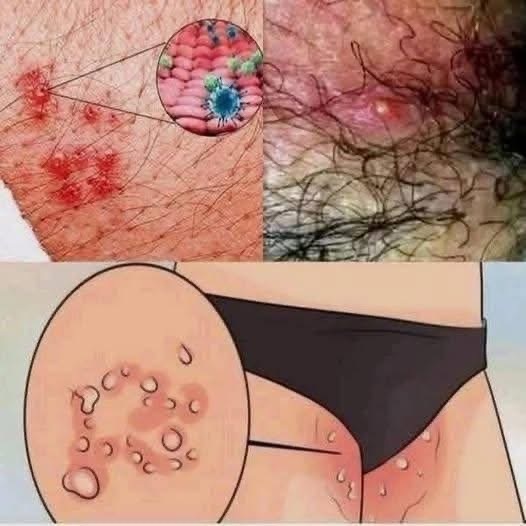
Skin irritation in the groin area is a very common issue that affects people of all ages. Because this part of the body is warm, moist, and subject to frequent friction, it creates an environment where skin problems can easily develop. Although groin irritation can feel uncomfortable and sometimes embarrassing, most conditions are not dangerous and can usually be treated or prevented with proper care.
Understanding the causes of groin skin irritation, recognizing the symptoms, and knowing how to manage the condition can help people protect their skin health and avoid recurring problems.
Why the Groin Area Is Especially Sensitive
The groin region is naturally more vulnerable to skin irritation compared with other parts of the body. Several factors contribute to this sensitivity:
- Constant movement from walking and daily activity
- Heat trapped between skin folds
- Moisture from sweat
- Friction between skin surfaces or clothing
- Hair growth and grooming habits
- Limited airflow in tight clothing
When these factors combine, they can weaken the skin’s protective barrier. As a result, irritation, inflammation, or infections may develop even in people who maintain good hygiene.
Common Causes of Groin Skin Irritation
Several different skin conditions may affect the groin area. While their symptoms sometimes look similar, the causes can vary.
1. Ingrown Hairs
Ingrown hairs occur when a hair curls back into the skin instead of growing outward. This can create small bumps that resemble pimples and may become red, tender, or itchy.
The groin area is particularly prone to ingrown hairs because of shaving or waxing. Shaving very close to the skin, shaving against the direction of hair growth, or wearing tight clothing can increase the risk.
Common signs include:
- Small red or skin-colored bumps
- Mild itching or tenderness
- Localized swelling
- Occasionally small fluid-filled bumps
Most ingrown hairs improve on their own. Gentle cleansing, warm compresses, and avoiding shaving until the skin heals are usually helpful.
2. Folliculitis
Folliculitis is an inflammation of the hair follicles that often appears as clusters of small red or white bumps around individual hairs.
It can be caused by bacteria, fungi, friction from tight clothing, excessive sweating, or frequent shaving.
Symptoms often include:
- Small red or white bumps
- Mild itching or burning
- Tenderness in the affected area
- Occasionally small crusts or fluid release
Mild cases often improve with proper hygiene and avoiding irritation. Persistent cases may require medical evaluation.
3. Fungal Infection (Jock Itch)
One of the most common groin skin conditions is Tinea cruris, commonly known as jock itch.
Fungi thrive in warm, moist environments, making the groin an ideal place for infection when sweat and friction are present.
Typical symptoms include:
- Red or brown patches with defined edges
- Intense itching, especially during heat or exercise
- Flaking or peeling skin
- Rash that spreads slowly outward
Treatment usually involves antifungal creams and keeping the area dry and clean.
4. Contact Dermatitis
Contact dermatitis occurs when the skin reacts to substances that cause irritation or allergies.
The groin area may react to products such as:
- Scented soaps or body washes
- Laundry detergents with strong fragrances
- Fabric softeners
- Synthetic clothing fabrics
- Grooming products
Symptoms may include redness, itching, burning, and sometimes small blisters. Switching to fragrance-free and gentle products usually helps the skin recover.
5. Intertrigo
Intertrigo develops in areas where skin surfaces rub together, especially when moisture is trapped.
This condition is more common in people who sweat heavily, wear tight clothing, or live in hot climates.
Symptoms can include:
- Red, raw-looking skin
- Burning or stinging sensation
- Moist or irritated skin folds
- Occasionally an unpleasant odor
Keeping the area dry and reducing friction are key to managing this condition.
How to Prevent Groin Skin Problems
Many groin skin conditions can be prevented with simple daily habits.
Practice Careful Grooming
- Use clean and sharp razors
- Shave in the direction of hair growth
- Avoid dry shaving
- Allow time between grooming sessions
Wear Breathable Clothing
- Choose cotton or moisture-wicking underwear
- Avoid tight clothing that traps heat
- Change clothes after heavy sweating
Maintain Balanced Hygiene
- Wash the groin area daily with mild soap
- Rinse thoroughly to remove product residue
- Dry the area completely after bathing
Use Skin-Friendly Products
- Select fragrance-free soaps and detergents
- Avoid harsh chemicals or scrubs
- Test new products on a small area first
Avoid Sharing Personal Items
- Do not share towels or razors
- Wash clothing and towels regularly
- Keep grooming tools clean and dry
When to See a Doctor
Although most groin skin problems are mild, medical advice may be necessary if:
- Symptoms last longer than two weeks
- Pain or swelling becomes severe
- The rash spreads quickly
- Fever or other illness develops
- The condition keeps returning
A healthcare professional can diagnose the exact cause and recommend appropriate treatment.
The Emotional Side of Skin Conditions
Groin skin irritation can sometimes cause embarrassment or stress. However, these issues are extremely common and affect people from all backgrounds. Experiencing them does not mean someone has poor hygiene or unhealthy habits.
With proper information, good skin care, and timely medical advice when needed, most groin skin problems can be effectively managed and prevented.
Understanding the causes and taking preventive steps can significantly improve both physical comfort and overall confidence in daily life.