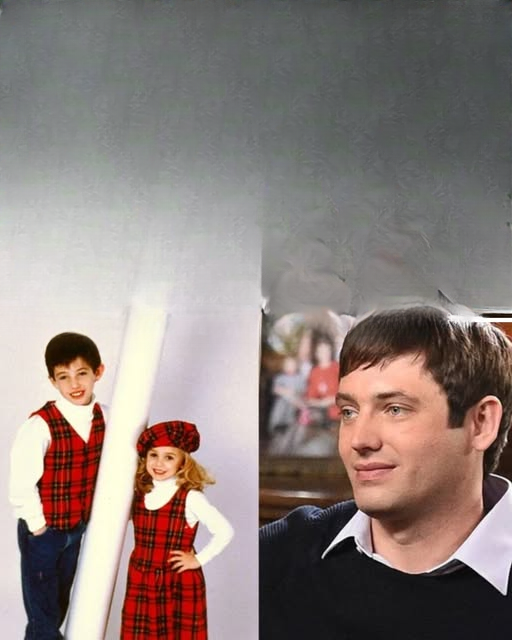
Nearly three decades have passed since the tragic death of six-year-old JonBenét Ramsey shocked the United States and became one of the most puzzling criminal cases in modern history. In December 1996, the young girl from Boulder was found dead in her family’s home after being reported missing earlier that morning. The case quickly captured national attention, combining heartbreak, mystery, and intense media scrutiny.
Now, 28 years later, JonBenét’s older brother Burke Ramsey has once again spoken publicly about the tragedy that forever changed his life and the life of his family. His reflections have renewed public interest in a case that remains unsolved to this day.
The Morning That Changed Everything
On December 26, 1996, police received a frantic call from the Ramsey family reporting that JonBenét was missing. A lengthy ransom note had been discovered in the house demanding $118,000, an unusual amount that reportedly matched a recent bonus received by her father, John Ramsey.
Hours later, the situation took a tragic turn when JonBenét’s body was discovered in the basement of the family home. What began as a missing-child investigation quickly transformed into a homicide case that stunned the community and the entire country.
The combination of factors surrounding the case—an affluent neighborhood, a child known for participating in beauty pageants, and the mysterious ransom note—made the story a constant headline across national media.
A Child Remembered
Friends and family described JonBenét as energetic, cheerful, and full of personality. She loved performing, singing, and dancing, often entertaining people around her with enthusiasm and confidence.
As her photographs appeared on television and in newspapers nationwide, JonBenét became more than just a local child. Her image came to represent a tragic mystery that millions of people wanted to understand.
Investigation Challenges
From the beginning, the investigation faced serious difficulties. The crime scene was not fully secured, and conflicting interpretations of evidence emerged almost immediately. Investigators and analysts eventually focused on two major theories:
- The Intruder Theory – suggesting someone outside the family entered the house and committed the crime.
- The Family Theory – proposing that the answers might lie within the household.
Because forensic technology in the 1990s was far less advanced than today, many pieces of evidence could not be analyzed with the precision now available. This left investigators with unanswered questions and competing interpretations.
At the same time, intense media coverage often blurred the line between confirmed facts and speculation. Television programs, newspapers, and tabloids discussed the case constantly, shaping public opinion and adding further pressure to the investigation.
Growing Up Under Public Scrutiny
At the center of this national attention was Burke Ramsey, who was just nine years old when the tragedy occurred. While most children his age were focused on school and friends, Burke found himself surrounded by media coverage and public speculation.
Over the years, he chose to stay out of the spotlight, rarely giving interviews and maintaining a private life. His silence led to many interpretations, but those close to him described it as an effort to protect himself from ongoing public scrutiny.
A Rare Public Interview
As an adult, Burke eventually agreed to speak publicly during an interview on a program hosted by Phil McGraw. During the conversation, he reflected on his memories from that day and the emotional weight his family carried afterward.
He described waking up to confusion and seeing his parents distressed, without fully understanding what had happened. Over the years, he said, living under constant speculation was one of the most difficult parts of the experience.
Psychologists later explained that people who experience trauma—especially in childhood—often display nervousness or awkward behavior when discussing painful memories. Such reactions are common and do not necessarily indicate guilt or deception.
A Family Under Pressure
The tragedy placed enormous pressure on JonBenét’s parents. Both John Ramsey and his wife, Patsy Ramsey, faced intense public scrutiny during the investigation.
Patsy Ramsey remained firm in her belief that an intruder was responsible. She spent years defending her family against accusations before passing away in 2006 after battling cancer.
John Ramsey has continued advocating for new forensic analysis of the evidence, believing modern technology could finally provide answers.
The Role of Modern Forensic Science
Since the 1990s, forensic science has advanced significantly. Techniques such as genetic genealogy and improved DNA sequencing have helped investigators solve many cold cases once considered impossible to crack.
Some experts believe that applying modern technology to the remaining evidence could potentially reveal new leads in JonBenét’s case. However, procedural and legal considerations have slowed efforts to reanalyze certain materials.
Media Influence and Public Fascination
The Ramsey case also became a powerful example of how media coverage can shape public perception of criminal investigations. Over the years, documentaries, podcasts, and television specials have repeatedly revisited the story.
Each new production has sparked fresh debate, sometimes blending investigative journalism with entertainment.
Despite the ongoing speculation, many observers emphasize that behind the mystery is a real family still coping with loss.
A Brother’s Message
In his interview, Burke Ramsey emphasized that his goal was not to solve the case publicly but to remind people that JonBenét was more than a famous crime story.
He encouraged the public to remember his sister as a child with dreams, energy, and a joyful personality—not only as the subject of a decades-old mystery.
An Unsolved Mystery
Even after nearly three decades, many key questions remain unanswered:
- Who wrote the ransom note?
- Why was the amount of money so specific?
- Was an intruder involved?
Despite the lack of definitive answers, investigators and forensic experts continue to examine the case with hope that future developments may finally reveal the truth.
A Legacy That Endures
Today, the name JonBenét Ramsey remains one of the most recognized in American true-crime history. Her story continues to raise important questions about investigative procedures, media responsibility, and compassion toward families affected by tragedy.
For the Ramsey family, the search for answers continues. And for the public, the case remains a reminder that behind every mystery is a human story marked by grief, resilience, and the hope that one day the truth will emerge.