Public Outrage and the Question of Accountability in Leadership
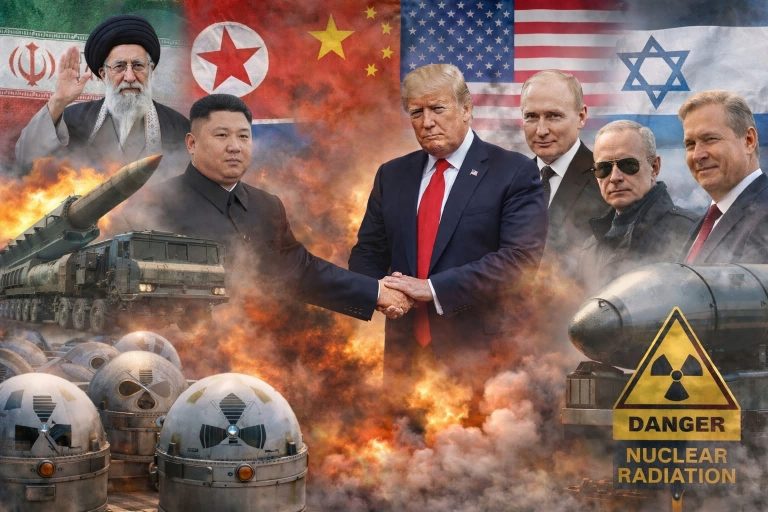
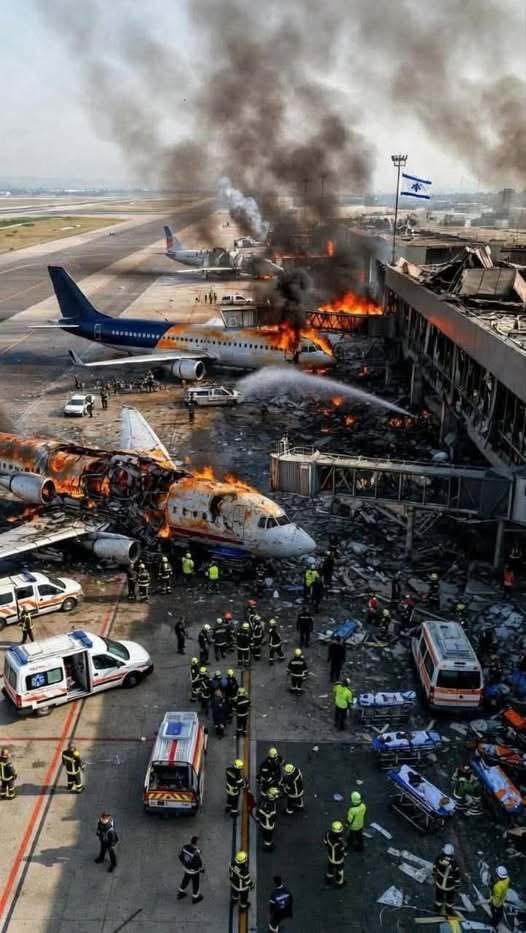
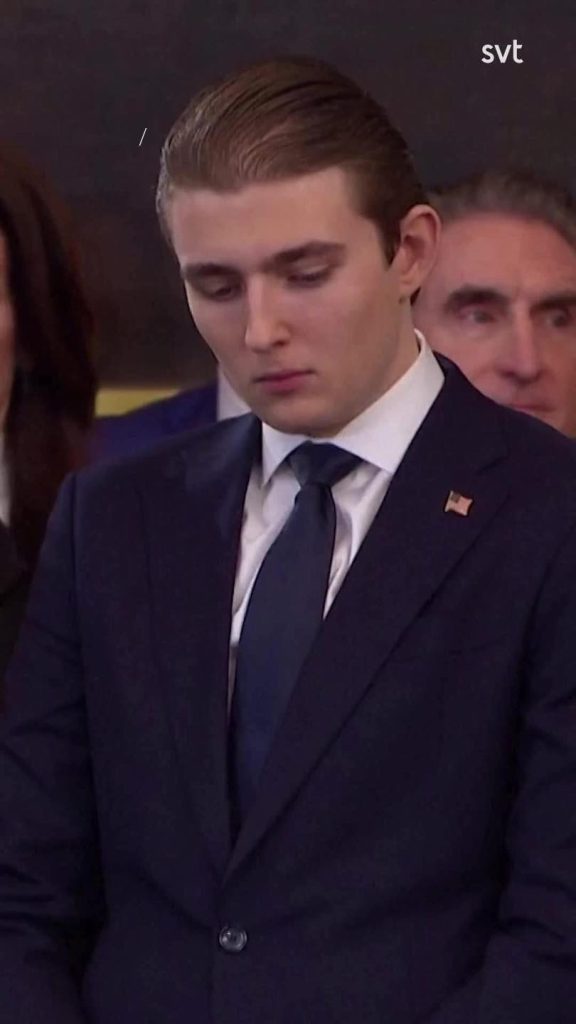
Recent international events have sparked intense debate across social media platforms and news outlets. Following the sudden death of a prominent Iranian leader and military escalations in the region, public anger in the United States has focused on issues beyond official policy, reaching into the personal lives of those connected to political leadership. One particular narrative that emerged revolves around a young member of a former presidential family, highlighting broader questions about accountability and the costs of decisions made by those in power.
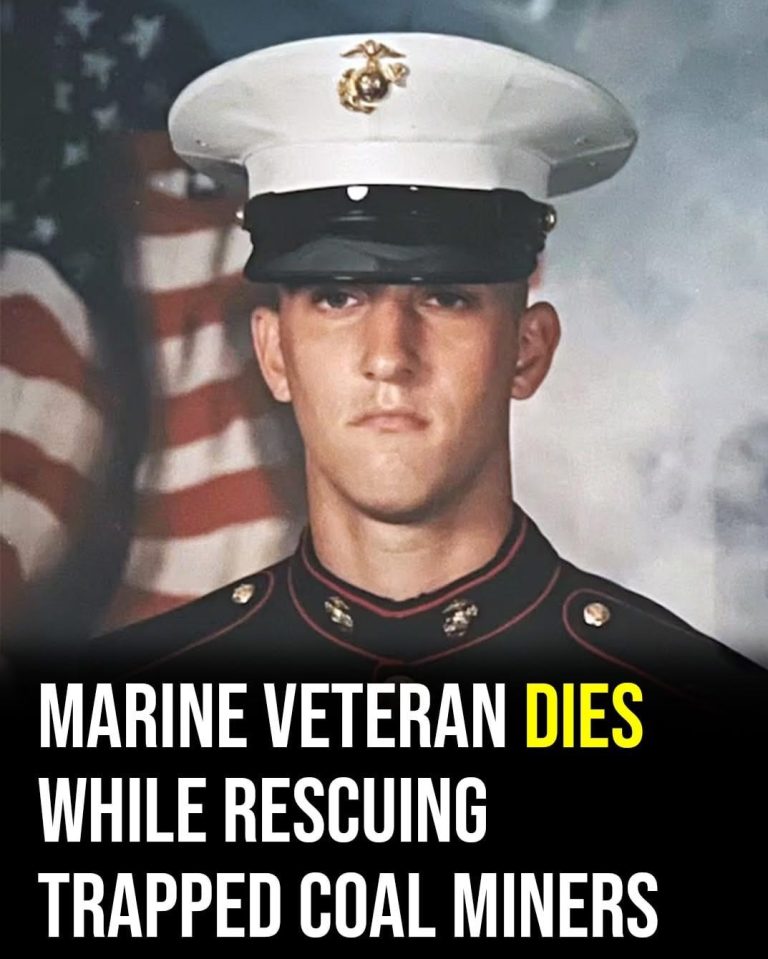
Across platforms, online communities expressed frustration at the perceived safety afforded to the families of political figures, contrasting it with the risks ordinary citizens and military personnel endure. Hashtags questioning whether children of decision-makers should bear some of the consequences of political or military action gained traction, reflecting a historical concern in American society: if leaders engage in conflict, who ultimately bears the burden?
This debate taps into long-standing cultural and political tensions. Many Americans recall instances where political leaders and influential figures avoided military service through exemptions, medical reasons, or deferments, which historically fueled public dissatisfaction. The perception that elites can make life-altering decisions without personal risk has created a recurring narrative of inequality and injustice.
As a result, discussions about the obligations of leaders’ families resonate deeply, evoking ethical and emotional considerations about fairness, duty, and societal responsibility.
Social Media as a Lens for Public Sentiment
Social media has become a major arena for expressing frustration and debate in modern society. Platforms allow citizens to question authority, highlight perceived inequalities, and discuss leadership decisions in real time.
In many cases, discussions about accountability become symbolic. Even when younger family members are not involved in policymaking, they can become focal points for broader debates about privilege and responsibility.
Hashtags and viral commentary often reflect collective sentiment rather than direct criticism of a single individual. These conversations reveal wider concerns about fairness, ethical leadership, and the distribution of risk in society.
Historical Context of Military Exemptions
The current debate is rooted in historical precedents. During the Vietnam War era, many Americans expressed anger toward draft deferments and medical exemptions that allowed influential or wealthy individuals to avoid military service.
This created long-lasting resentment, particularly when families from less privileged backgrounds were disproportionately represented among combat soldiers.
The perception that certain groups can avoid the consequences of national decisions continues to shape public attitudes today. These historical experiences influence how citizens evaluate fairness and accountability among modern leaders.
Leadership, Privilege, and Public Perception
At the center of these discussions lies a fundamental ethical question: should leaders and those closest to them share the risks created by their decisions?
Political leadership carries both authority and protection. However, public expectations often extend beyond policy outcomes to include moral responsibility and symbolic commitment.
When leaders make decisions that affect national security or involve military conflict, citizens frequently expect empathy, sacrifice, and accountability. If leaders appear insulated from consequences, public trust may weaken.
This tension is not unique to any single administration or political figure. Instead, it represents a recurring dynamic within democratic societies where citizens continually evaluate the fairness of leadership structures.
The Role of Media in Shaping Public Debate
Media coverage plays a powerful role in shaping how these issues are understood. Images and narratives that contrast political leadership with soldiers or citizens facing danger can intensify public scrutiny.
Symbolic representation matters greatly in modern media environments. Even when individuals involved are private citizens, the framing of stories can influence how audiences interpret events.
Responsible journalism therefore requires balancing public interest with ethical considerations. Accurate reporting and context help ensure that debates remain constructive rather than purely sensational.
Generational Perspectives on Duty and Service
The public conversation also reflects generational attitudes toward civic duty and military service.
Younger generations, who may not have direct experience with military conscription or large-scale conflict, often engage with these issues through symbolic debates about fairness and responsibility.
Historical conflicts—from Vietnam to Iraq—continue to influence how citizens evaluate leadership decisions today. These experiences shape expectations about justice, equality, and civic duty within democratic societies.
International Instability and Ethical Considerations
These discussions are unfolding against a backdrop of global uncertainty. Political instability in regions such as the Middle East can heighten public sensitivity toward leadership decisions related to security and conflict.
When military action becomes a possibility, ethical questions surrounding responsibility, risk, and accountability become more urgent.
Philosophical frameworks such as just war theory and civic responsibility often reappear in public discourse, reflecting humanity’s long-standing effort to balance power with moral responsibility.
Accountability and Civic Trust
Accountability remains central to maintaining public trust. Citizens expect leaders to act transparently, consider the consequences of their actions, and adhere to ethical standards consistent with societal values.
When these expectations appear unmet, public frustration often extends beyond specific policies to the broader legitimacy of political systems.
Research in political science suggests that perceived inequalities in risk and privilege can erode civic trust. For this reason, transparency and fairness remain essential elements of effective governance.
Historical Lessons and Modern Implications
Questions about leadership responsibility are not new. Throughout history, societies have debated who should bear the consequences of political decisions and how fairness should be maintained.
From ancient military conscription systems to modern democratic institutions, these debates reveal enduring concerns about justice, sacrifice, and equality.
Today’s digital environment accelerates these conversations, allowing public reactions to spread rapidly across social platforms and media outlets.
Symbolism, Ethics, and Civic Engagement
Although individual figures may become symbols during public debates, the underlying issues are much broader.
Discussions about privilege, leadership responsibility, and risk distribution encourage societies to reflect on deeper structural questions about governance and justice.
Constructive dialogue focused on systemic issues can strengthen democratic engagement and promote thoughtful consideration of ethical leadership.
Conclusion
The intersection of leadership, privilege, and accountability remains one of the most enduring challenges within democratic societies.
Recent debates highlight the continuing importance of fairness, transparency, and ethical decision-making in political leadership. While social media and modern media environments amplify public discussions, the core concerns remain timeless: who bears the costs of leadership decisions, how justice is maintained, and what responsibilities accompany political power.
By examining these questions through historical context and ethical reflection, societies can foster informed dialogue and strengthen democratic institutions. Ultimately, thoughtful public engagement helps ensure that leadership remains accountable and aligned with the values of the citizens it serves.