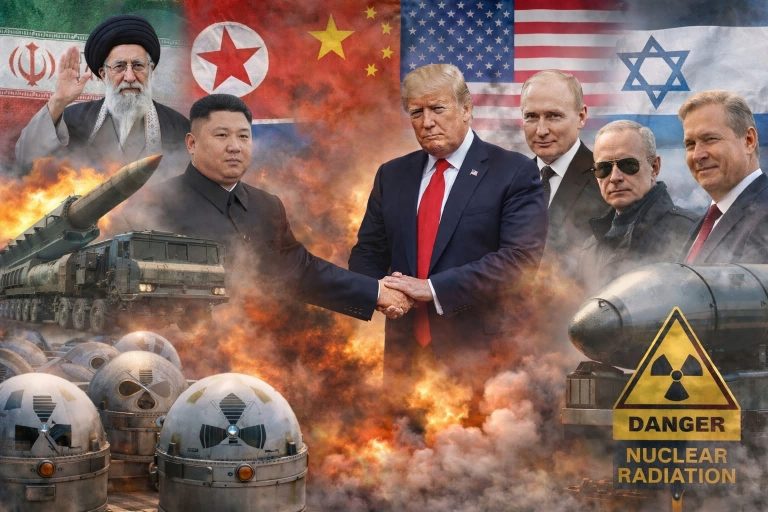
As 2026 unfolds, the global landscape is not defined by one large-scale war, but by constant tension, uncertainty, and strategic competition. Rather than a sudden collapse, the international system is under pressure from multiple overlapping crises. The real danger lies not in inevitable conflict, but in miscalculation—where a single mistake could trigger something far bigger.
A World of “Managed Instability”
Today’s global order can best be described as managed instability. Major powers are testing each other through military presence, cyber operations, economic pressure, and proxy conflicts—while carefully avoiding direct war.
This delicate balance is most visible across three key regions:
- Eastern Europe
- The Middle East
- The Indo-Pacific
Each represents a different front in the same global competition.
Eastern Europe: Constant Pressure
The ongoing war between Russia and Ukraine has reshaped Europe’s security landscape.
While the conflict remains largely a stalemate, tensions continue to rise. Russian aircraft frequently test NATO airspace, especially near countries like Poland and Romania. These encounters are risky—any mistake could escalate quickly.
As a result, European nations are rethinking their defense strategies. The idea that peace was guaranteed is gone. Military readiness and national security are once again top priorities.
Middle East: Fragile and Volatile
The Middle East remains highly unstable, with ongoing tensions between Israel and Iran at the center.
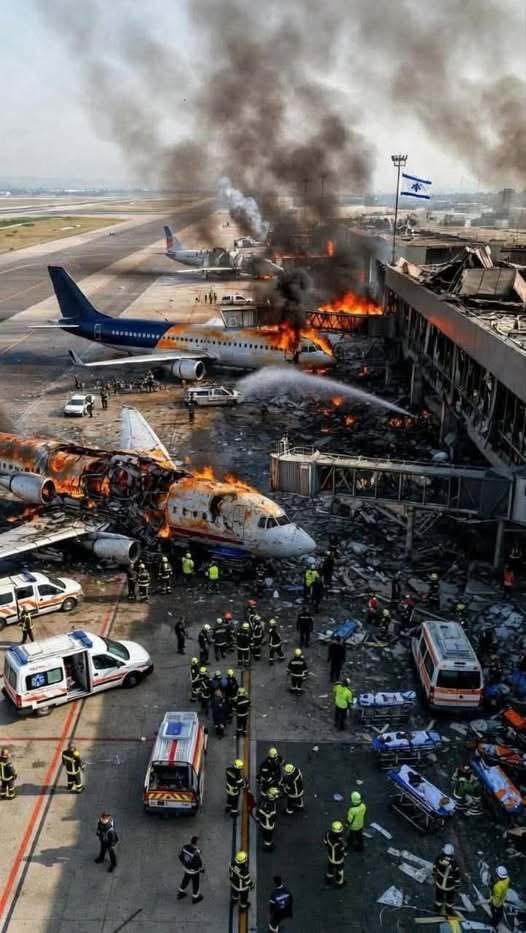
Recent events show a shift from indirect conflict to more direct confrontation. Although both sides have avoided full-scale war, the situation remains extremely fragile.
Iran’s nuclear program continues to raise global concern, while regional proxy groups add further complexity. Even small incidents in this region have the potential to trigger wider escalation.
Indo-Pacific: The Future Battleground
The most critical long-term rivalry is between China and Taiwan.
China has increased military activity around Taiwan, conducting large-scale exercises and signaling its intentions. Meanwhile, the United States and allies like Japan and Australia are strengthening their presence in the region.
The stakes are enormous. Taiwan plays a key role in global semiconductor production, meaning any conflict could disrupt the entire world economy.
Why There’s Still No Global War
Despite rising tensions, several factors are preventing full-scale war:
- Communication channels between major powers remain open
- Economic interdependence makes large conflicts too costly
- Strategic caution among global leaders
Unlike past eras, today’s powers understand that total war would have devastating global consequences—militarily, economically, and socially.
A Dangerous Balance
The world in 2026 is not at peace—but it is not at war either.
It is a system under strain, where stability depends on careful decisions, strong diplomacy, and restraint. The margin for error is smaller than ever, and the risks are growing.
Final Thought
The greatest challenge today is not fighting a war—but avoiding one.
Global leaders are being tested in real time. Their ability to manage pressure, avoid escalation, and maintain balance will shape not just regional conflicts, but the future of the entire world order.