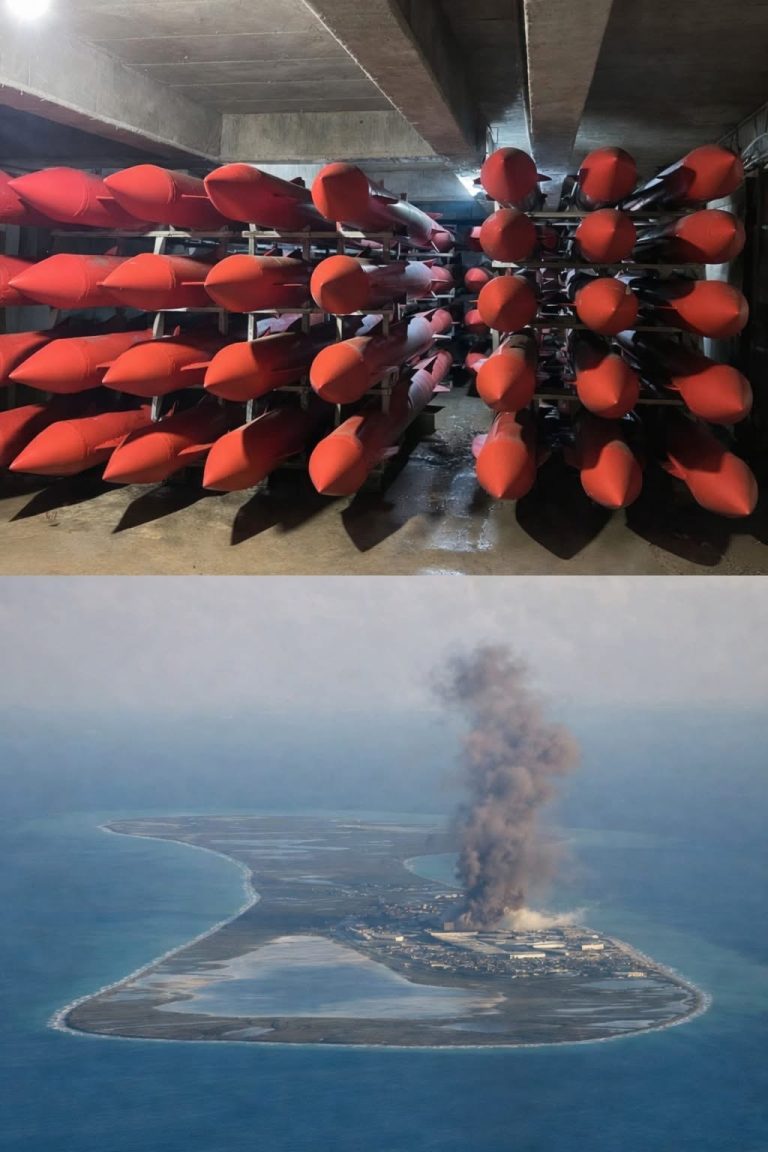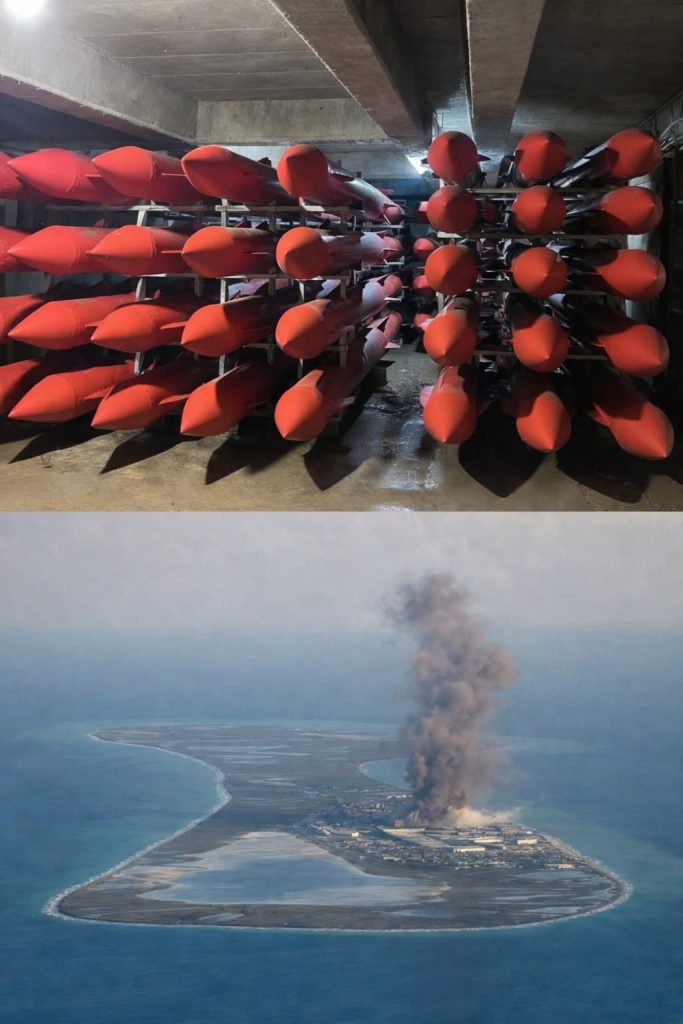
In a recent military development that drew significant international attention, Iran reportedly deployed a modified version of its Khorramshahr ballistic missile in a long-range strike targeting Diego Garcia, a strategically important military installation jointly operated by the United States and the United Kingdom in the Indian Ocean.
What surprised analysts was the remarkable distance covered by the missile. Located nearly 4,000 kilometers from Iran, Diego Garcia lies well beyond the officially acknowledged 2,000-kilometer range of Iran’s ballistic arsenal. This suggests a notable advancement in Iran’s strategic strike capabilities.
Experts believe the extended range may have been achieved through modifications such as reducing the weight of the missile’s warhead, allowing it to travel farther. Improvements in propulsion, aerodynamics, and guidance systems may also have contributed to its enhanced performance. These developments indicate a more sophisticated and flexible missile platform than previously understood.
The demonstration—whether operational or a controlled test—sent a clear strategic message. It suggests Iran may now possess a longer-range capability than officially disclosed, prompting countries in the region to reassess their defense strategies and missile defense systems.
The Khorramshahr missile has long been part of Iran’s effort to develop medium- and long-range strike capabilities. Originally designed for regional targets, recent modifications appear to have significantly expanded its reach, potentially allowing it to engage distant strategic locations.
This has major geopolitical implications. Diego Garcia serves as a critical hub for U.S. and U.K. operations in the Indian Ocean. The ability to reach such a target signals that Iran could potentially threaten locations previously considered out of range, influencing military planning and deterrence strategies across multiple regions.
Countries in the Middle East and beyond are closely monitoring these developments. Nations within potential strike range may increase investment in radar systems, early warning networks, and missile interception technologies. The test could also impact alliances and broader regional security dynamics.
From a strategic perspective, the missile demonstration highlights Iran’s ongoing commitment to expanding its military capabilities. By showcasing extended reach, Iran may be signaling deterrence, projecting power, and strengthening its position in geopolitical negotiations.
At the same time, this development raises broader concerns about missile proliferation and global security. Advances in long-range missile technology complicate defense planning and increase the importance of monitoring and international cooperation.
In conclusion, the reported use of a modified Khorramshahr missile capable of reaching nearly 4,000 kilometers represents a significant evolution in Iran’s missile program. It highlights both technical progress and strategic intent, with implications that extend beyond the region and into the global security landscape.