Understanding Inner Thigh Bumps: Causes, Care, and When to Seek Help
Introduction
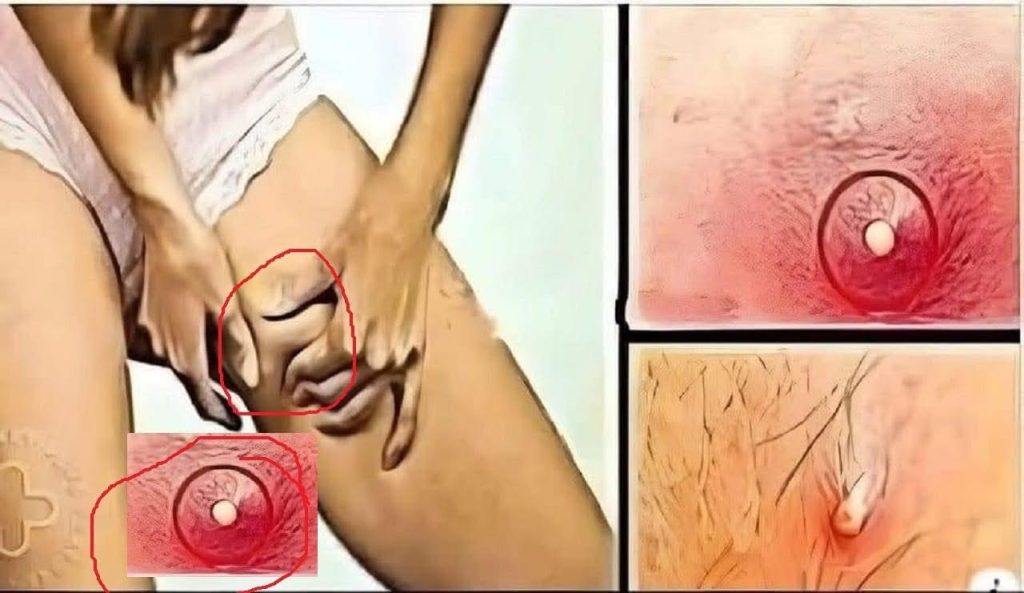
Red, tender, or uncomfortable bumps on the inner thighs are more common than many people realize. For some, they appear after shaving or exercise. For others, they return repeatedly and may become painful or inflamed. While they’re often dismissed as “just pimples,” bumps in this area can stem from several different causes.
Because the inner thighs experience friction, warmth, and moisture, the skin there is especially vulnerable to irritation. Understanding what triggers these bumps — and how to manage them safely — can help prevent discomfort and protect your skin health.
Why Do Inner Thigh Bumps Develop?
The inner thigh area creates a perfect storm for skin irritation: skin rubbing against skin, tight clothing, sweat, and limited airflow. Below are the most common contributing factors.
1. Friction and Sweat
Repeated rubbing during walking, running, or wearing tight clothing can irritate pores and hair follicles. When sweat becomes trapped, bacteria can multiply more easily, increasing the risk of breakouts.
Common triggers include:
- Tight jeans, leggings, or non-breathable workout gear
- Long exercise sessions without moisture-wicking fabrics
- Hot, humid environments
2. Ingrown Hairs
Hair removal methods such as shaving and waxing may cause hairs to grow back into the skin instead of outward. When this happens, the body reacts with redness, swelling, and small painful bumps.
Risk factors include:
- Shaving against the direction of hair growth
- Using dull razors
- Curly or coarse hair types
- Frequent waxing or close shaving
3. Heat and Humidity
Warm conditions increase sweating and friction. Moisture trapped between the thighs creates an ideal environment for bacteria and yeast, which may contribute to irritation or infection.
4. Hormonal and Lifestyle Factors
Hormonal changes, stress, diet, and overall health can influence oil production and skin sensitivity. While they may not directly cause thigh bumps, they can make skin more prone to inflammation.
When It’s More Than a Simple Breakout
Although many inner thigh bumps are mild and temporary, persistent or painful lumps may signal an underlying skin condition.
Folliculitis
This condition occurs when a hair follicle becomes inflamed, often due to bacteria, yeast, or irritation. It typically appears as small red or white-centered bumps around hair follicles.
- Mild cases may resolve with improved hygiene.
- Recurrent cases may require prescription treatment.
Boils (Furuncles) and Abscesses
When bacteria penetrate deeper into the skin, they can cause painful, pus-filled lumps.
- They often begin as firm, tender bumps.
- They may grow larger and become increasingly painful.
- Attempting to squeeze them at home can worsen infection.
Medical evaluation may be necessary if they do not improve.
This chronic condition causes recurring, painful lumps in areas where skin rubs together, including the inner thighs.
- Lesions may reappear in the same locations.
- They can drain fluid and potentially cause scarring.
- Long-term medical management is often required.
Early diagnosis can significantly improve outcomes.
Fungal Infections
In moist areas, fungal infections may cause itching, redness, and raised bumps. These are more common in people who sweat heavily or spend long periods in tight clothing.
Antifungal treatments may be needed if symptoms persist.
What You Can Do Right Now
For mild cases, dermatologists often recommend simple at-home care:
Maintain Cleanliness
- Shower after sweating.
- Use a gentle, fragrance-free cleanser.
- Pat dry instead of rubbing.
Choose Breathable Clothing
- Wear loose-fitting clothes.
- Select moisture-wicking fabrics for workouts.
- Avoid staying in sweaty clothes for long periods.
Practice Safe Hair Removal
- Use sharp, clean razors.
- Shave in the direction of hair growth.
- Consider trimming instead of very close shaving.
Soothe, Don’t Irritate
- Apply warm compresses for discomfort.
- Avoid harsh scrubs or picking at bumps.
- Use mild over-the-counter antiseptic or soothing creams if needed.
Prevention Strategies
Preventing inner thigh bumps often comes down to daily habits.
Daily Hygiene
- Cleanse regularly.
- Dry thoroughly before dressing.
Clothing Choices
- Opt for breathable cotton underwear.
- Choose moisture-wicking workout attire.
Gentle Skincare
- Light exfoliation once or twice weekly (avoid harsh scrubbing).
- Use non-comedogenic moisturizers if dryness is an issue.
Healthy Lifestyle Habits
- Stay hydrated.
- Eat a balanced diet rich in fruits and vegetables.
- Manage stress and prioritize sleep.
When to See a Dermatologist
Seek medical advice if you notice:
- Large, painful, or deep lumps
- Recurrent bumps in the same area
- Spreading redness, swelling, or fever
- Scarring or tunnel-like formations under the skin
Professional treatment may include prescription creams, antibiotics, or other targeted therapies.
Myths vs. Facts
Myth: Inner thigh bumps mean poor hygiene.
Fact: Friction and sweat alone can cause them — even with excellent hygiene.
Myth: Scrubbing harder clears bumps faster.
Fact: Over-scrubbing increases irritation and delays healing.
Myth: All bumps can be treated at home.
Fact: Some conditions require medical care.
Living Comfortably With Sensitive Skin
Inner thigh bumps can feel frustrating or embarrassing, but they’re common and often manageable. Small changes in clothing, hygiene, and hair removal techniques can make a meaningful difference.
Most importantly, pay attention to patterns. If bumps are frequent, painful, or worsening, don’t ignore them.
Conclusion
Inner thigh bumps are usually harmless, but recurring or severe cases deserve attention. Friction, sweat, and ingrown hairs are common causes, while conditions like folliculitis, boils, or hidradenitis suppurativa may require medical care.
With consistent hygiene, thoughtful clothing choices, and gentle skincare, many cases can be prevented or managed effectively. And when needed, dermatological care can provide safe and targeted solutions.
Bottom line: Inner thigh bumps aren’t always “just pimples.” Listening to your skin — and seeking help when necessary — keeps it healthy, comfortable, and resilient.