: A Media Figure Shaped by Image, Confidence, and Cultural Debate
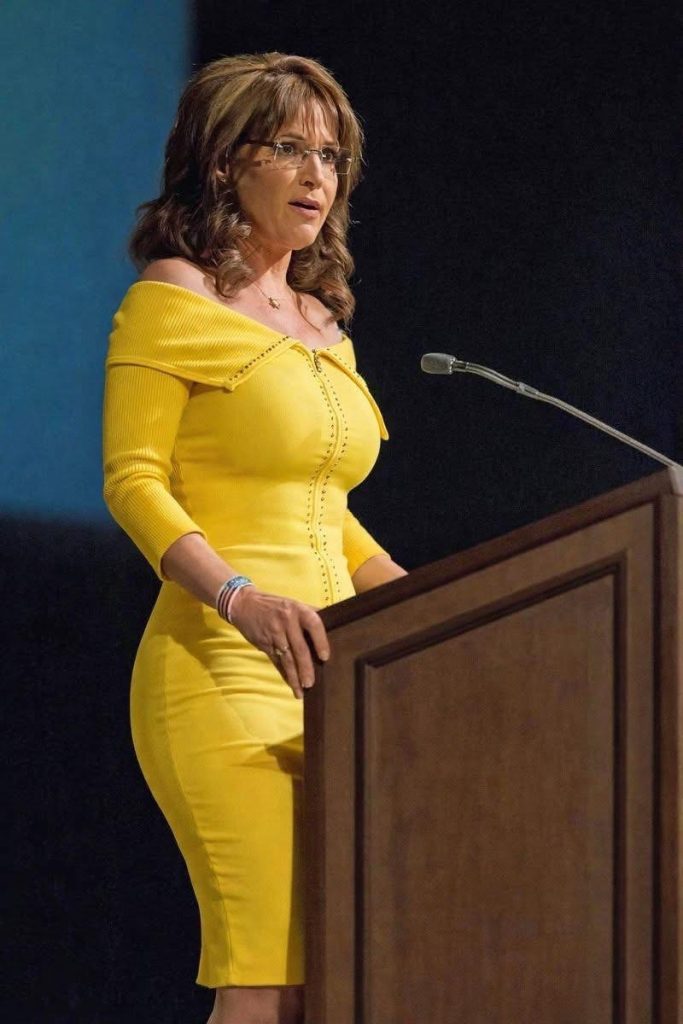
Sarah Palin remains one of the most recognizable figures to emerge from early 21st-century American politics. As the former governor of Alaska and the Republican vice-presidential nominee in 2008, she entered the national spotlight during a transformative period in U.S. political culture. Yet her influence has extended far beyond that campaign. Over time, Palin has evolved into a media personality and cultural figure whose visibility often transcends traditional political boundaries.
From Regional Politics to National Attention
Before becoming a household name, Palin’s career was rooted in Alaska’s local and state political landscape. Her rise reflected a familiar American narrative: small-town beginnings, outsider energy, and a promise to challenge establishment norms.
Her selection as the Republican vice-presidential nominee during the 2008 presidential race instantly propelled her onto the global stage. Almost overnight, her speeches, interviews, and public appearances were dissected across television networks, newspapers, and emerging social media platforms. This moment marked the beginning of her transformation from regional politician to national media figure.
The Power of Image in Modern Politics
One defining aspect of Palin’s public journey has been her carefully maintained image. She often emphasized themes of independence, resilience, and traditional American values—qualities closely tied to her Alaskan identity. This positioning resonated strongly with segments of the electorate seeking authenticity and straightforward messaging.
At the same time, Palin demonstrated an understanding of media visibility in the digital era. Rather than retreating from public life after the 2008 election, she leaned into it. Interviews, commentary appearances, and later television projects kept her in circulation long after her time in elected office.
Her public image has never been universally embraced. Supporters frequently describe her as confident and unapologetic, while critics question elements of her rhetoric and approach. Yet the intensity of reaction—positive or negative—has contributed to her sustained relevance.
Media, Entertainment, and Cultural Reach
Unlike many former candidates who fade from the spotlight, Palin remained active in media spaces. Her participation in television programming blurred the lines between politics and entertainment, reflecting a broader shift in American public life. Political figures increasingly operate within the same media ecosystems as celebrities and influencers.
This crossover expanded her reach beyond strictly political audiences. She became a subject of parody, commentary, and cultural reference—appearing in television sketches and pop-culture discussions that introduced her persona to viewers who might not closely follow policy debates.
Gender, Style, and Public Scrutiny
Discussions surrounding Palin frequently extended to her personal style and presentation—areas that often receive disproportionate attention when women hold public office. Clothing choices, demeanor, and visual branding became recurring talking points in media coverage.
These conversations mirrored larger societal debates about leadership expectations and gender dynamics. Whether viewed as expressive confidence or unnecessary flair, her stylistic choices reinforced her individuality and contributed to her distinct public profile.
Confidence and Polarization
Across speeches and interviews, confidence has been a defining trait. Palin consistently projected certainty, even in the face of criticism. For supporters, this quality signaled strength and decisiveness. For detractors, it sometimes amplified political polarization.
Her trajectory highlights how public figures in the digital age are shaped as much by perception and narrative as by policy positions. In an era of rapid commentary and viral moments, visibility itself becomes a form of influence.
A Lasting Presence
Years after her most prominent campaign, Palin continues to generate interest. Her endurance illustrates how modern public figures can sustain relevance by maintaining a recognizable identity and adapting to evolving media landscapes.
Ultimately, her story reflects broader changes in American culture—where politics, personality, and media increasingly intersect. Whether seen primarily as a political leader, media personality, or cultural symbol, Palin’s journey underscores how image and confidence can shape public legacy in lasting ways.