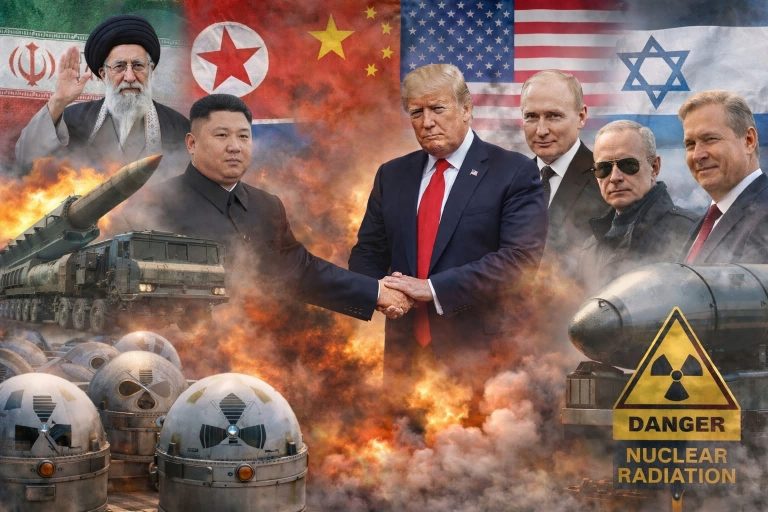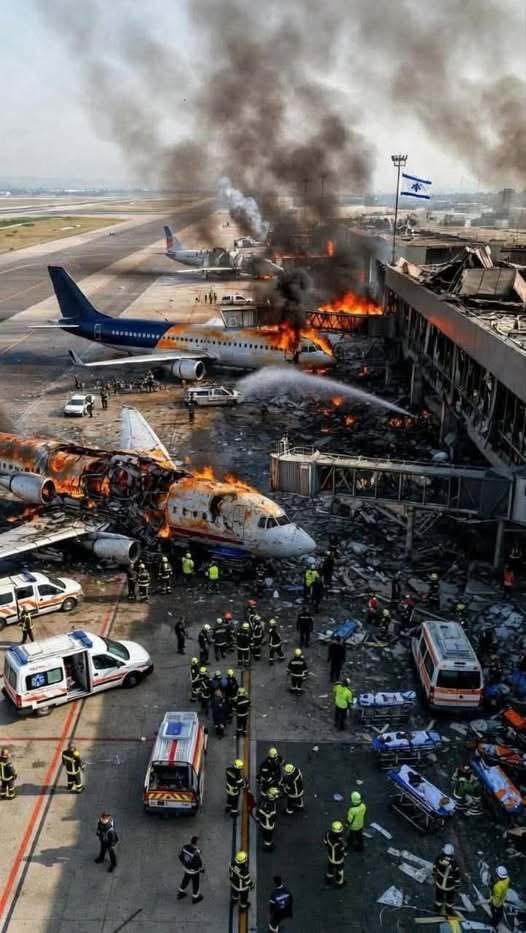
In 2025, the question is no longer theoretical: Israel has faced renewed hostile activity. But does that mean the country is in full-scale war — or is this another dangerous cycle of escalation in a region long defined by volatility?
To understand the current moment, context matters.
A Region Shaped by Conflict
Since its establishment in 1948, Israel has experienced repeated wars and prolonged tensions with neighboring states and non-state actors. Major turning points — including the Arab-Israeli wars of 1948, 1967, and 1973, the First and Second Intifadas, confrontations with Hezbollah, and long-running hostilities involving Gaza — have shaped today’s security architecture.
Diplomatic breakthroughs such as the Camp David Accords and the Abraham Accords improved relations with some Arab states. Yet core disputes — borders, sovereignty, security guarantees, and the status of Palestinian territories — remain unresolved.
That unresolved tension forms the backdrop to 2025.
What Is Happening in 2025?
Recent reports indicate several concerning developments:
Rocket and Missile Fire
There have been confirmed incidents of rockets launched toward Israeli territory from neighboring areas. Israel’s Iron Dome defense system has intercepted many incoming projectiles, significantly reducing casualties, but air raid sirens have once again become part of daily life in affected regions.
Even limited rocket fire carries strategic weight. Each launch risks miscalculation, retaliation, and broader escalation.
Drone Incidents
Drones have emerged as a defining feature of modern conflict. In 2025, cross-border drone activity — including surveillance and attempted strikes — has reportedly increased. Israel has expanded counter-drone systems, but the growing use of UAVs adds complexity to an already tense security environment.
Border Clashes
Northern and southern border areas have seen sporadic exchanges of fire. While not amounting to full-scale war, such incidents can escalate quickly due to proximity of heavily armed forces.
Cyberattacks
Conflict is no longer limited to physical battlefields. Israeli infrastructure, financial institutions, and digital networks have reportedly faced cyber intrusion attempts. Cyber warfare now plays a parallel role alongside conventional military activity.
Who Is Involved?
Understanding the actors is key to assessing whether Israel is “under attack” in a strategic sense.
- Militant groups in Gaza have historically engaged in rocket fire during periods of escalation.
- Hezbollah, based in Lebanon, remains one of the most heavily armed non-state actors in the region and maintains adversarial posture toward Israel.
- Iran continues its strategic rivalry with Israel, largely through indirect means and regional influence.
- Global powers, including the United States and European nations, play diplomatic and deterrent roles that can shape escalation dynamics.
At present, most reported incidents fall within the pattern of limited but dangerous flare-ups rather than confirmed multi-front conventional war.
Civilian Impact
For civilians, distinctions between “limited escalation” and “war” can feel irrelevant.
Residents in affected Israeli communities have faced:
- Temporary evacuations
- School closures
- Business disruptions
- Psychological stress triggered by repeated sirens
Civilians in neighboring territories also experience consequences when retaliatory strikes occur. Humanitarian organizations continue to call for restraint and protection of non-combatants.
Defensive Infrastructure
Israel has spent decades building layered defense systems:
- Iron Dome intercepts short-range rockets.
- David’s Sling addresses medium-range threats.
- Arrow systems counter long-range ballistic missiles.
- Advanced intelligence networks provide early warning and threat detection.
This infrastructure does not eliminate risk — but it significantly reduces vulnerability.
Media Narratives vs. Reality
The phrase “Israel under attack” can be interpreted in dramatically different ways.
In 2025, Israel has experienced hostile incidents. However, current reports do not indicate sustained, nationwide collapse of security or an all-out regional war involving multiple state militaries simultaneously.
Social media often amplifies dramatic language before facts are fully verified. Headlines may suggest sweeping war even when events are localized or short-term escalations.
That distinction matters.
Economic and Regional Implications
Security tensions affect:
- Financial markets
- Tourism flows
- Energy prices
- Defense expenditures
Yet Israel’s economy — particularly its technology sector — has historically shown resilience during past escalations.
Regionally, neighboring states monitor developments closely. Any significant widening of conflict could disrupt trade routes and energy corridors, with global consequences.
So — Is Israel Under Attack?
Yes, Israel has faced security incidents in 2025, including rocket fire and heightened border tensions.
No, based on available reporting, this does not currently constitute a confirmed, sustained full-scale regional war.
The situation remains fluid. Escalations in this region often follow a pattern:
- Triggering incident
- Limited exchanges
- International mediation
- Ceasefire — temporary or fragile
However, miscalculation remains the greatest risk. History shows that contained confrontations can widen quickly if political or military decisions shift.
Looking Ahead
Three broad scenarios remain possible:
- De-escalation through diplomacy
- Ongoing limited exchanges without full war
- Broader regional confrontation if multiple fronts ignite simultaneously
Which path emerges depends on political restraint, deterrence credibility, and diplomatic intervention.
Final Assessment
In 2025, Israel is experiencing renewed security pressure — but the scale and trajectory remain critical variables.
Language matters. Precision matters.
Calling every escalation a “war” can distort reality. Ignoring warning signs can be equally dangerous.
For now, the region stands in a familiar but fragile place: tense, volatile, and heavily armed — yet not beyond the reach of de-escalation.
The coming months will determine whether 2025 becomes another chapter in a cycle of flare-ups — or something far more consequential.