The Middle East has entered a period of extraordinary strain following reports that Iran carried out a direct retaliatory strike against United States military assets in the Persian Gulf. According to statements attributed to the Islamic Revolutionary Guard Corps (IRGC), the operation targeted facilities associated with the U.S. Navy’s Fifth Fleet in Manama, Bahrain.
If confirmed at full scale, the incident marks a significant shift away from the shadow-based confrontations and indirect engagements that have defined tensions between Tehran and Washington for decades. Rather than proxy conflicts, cyber operations, or deniable militia activity, this episode suggests movement toward overt, state-to-state military confrontation.
A Strategic Target in Bahrain
At the center of the crisis is Naval Support Activity Bahrain, the operational hub for U.S. maritime security efforts across the Middle East. The installation supports thousands of service members and civilian personnel and plays a central role in protecting commercial shipping routes that underpin global energy markets.
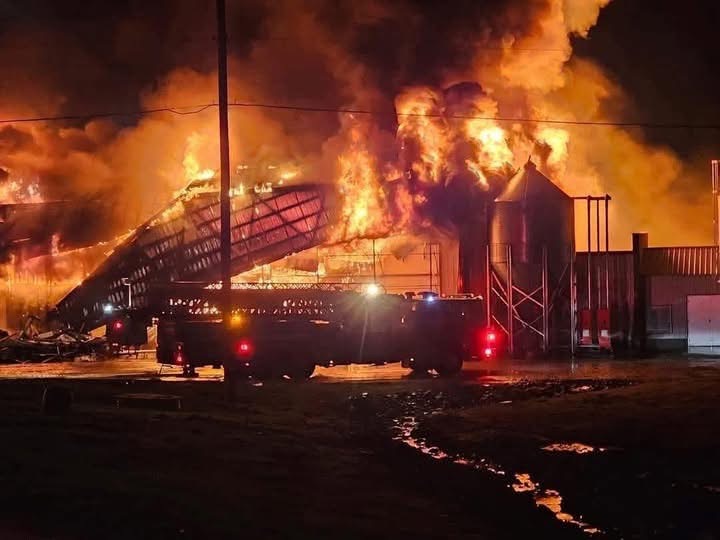
Local reports described a powerful explosion near the perimeter of the facility, followed by thick plumes of smoke rising above Manama’s skyline. Emergency sirens were reportedly heard in parts of the capital, heightening anxiety among residents.
Preliminary statements from the U.S. Department of Defense indicated that there were no confirmed American casualties at the time of reporting. However, even absent significant physical damage, the strategic symbolism of a direct strike on a principal naval command center is substantial. For years, informal “red lines” appeared to limit escalation. This incident challenges those assumptions.
Retaliation Following Joint U.S.–Israeli Action
The reported Iranian strike followed a coordinated U.S.–Israeli military campaign earlier the same day. Analysts described that operation as a precision effort aimed at degrading missile infrastructure and command facilities linked to the IRGC. The stated objective was to reduce perceived threats to regional allies and limit Iran’s military projection capabilities.
Rather than restoring deterrence, however, the action appears to have triggered immediate retaliation. By openly claiming responsibility for the strike in Bahrain, Iranian officials signaled a readiness to respond directly to what they characterized as aggression. Unlike prior gray-zone confrontations, ambiguity was largely absent.
That explicit acknowledgment narrows diplomatic maneuvering space and raises the stakes considerably.
Regional and Global Repercussions
Defense systems across neighboring Gulf states were placed on heightened alert. U.S. embassies in Kuwait, Qatar, and the United Arab Emirates issued advisories urging caution for American citizens. The diplomatic atmosphere has been described as tense, with limited visible evidence of active back-channel communication between Washington and Tehran.
Financial markets reacted swiftly. Crude oil prices climbed amid concerns about instability near the Strait of Hormuz — a critical maritime corridor through which a significant share of global oil exports passes. Even the perception of risk in the Gulf can influence global supply forecasts, inflation, and economic confidence.
Shipping operators and energy importers are monitoring the situation closely, aware that prolonged instability could ripple far beyond the region.
From Indirect Rivalry to Open Confrontation?
For years, the U.S.–Iran rivalry unfolded through sanctions, cyber operations, maritime seizures, and proxy engagements. These tactics allowed both sides to exert pressure while avoiding direct conventional war. The strike in Bahrain, however, signals a more visible and volatile phase.
A direct exchange between recognized state militaries risks altering long-standing regional power balances. Regional governments are watching Washington’s response carefully, assessing how it will affect deterrence credibility and security guarantees.
Meanwhile, military movements have been observed across the broader theater. Transport aircraft and naval deployments suggest precautionary reinforcement rather than immediate escalation, yet such movements contribute to a climate of anticipation.
Civilian and Humanitarian Concerns
The naval installation in Bahrain is located near populated civilian areas. While Iranian officials described the strike as precise, proximity to residential infrastructure raises concerns about noncombatant risk. Bahraini authorities have emphasized public safety measures and emergency preparedness.
For U.S. personnel stationed at the facility — and their families — operational priorities have shifted toward defensive readiness. Even without confirmed casualties, the psychological impact of a strike against a central command hub is significant.
The Critical Window Ahead
The coming hours and days are widely viewed as decisive. In Washington, emergency security consultations are reportedly underway. Decision-makers must balance deterrence, alliance credibility, service member protection, and the desire to avoid broader regional war.
Iranian state media has framed the strike as a defensive act intended to safeguard national sovereignty, reinforcing themes of deterrence and proportionality for domestic audiences.
Global leaders, including representatives of the United Nations and European institutions, have urged restraint. Diplomatic channels remain strained but not entirely severed. Historically, indirect communication has sometimes prevented crises from spiraling — whether such mechanisms can function effectively now remains uncertain.
A Moment with Global Consequences
The events in Manama represent more than a single military incident. They reflect accumulated tensions, unresolved disputes, and competing visions for regional order. Energy security, alliance credibility, military deterrence, and domestic political pressures now intersect in a highly compressed