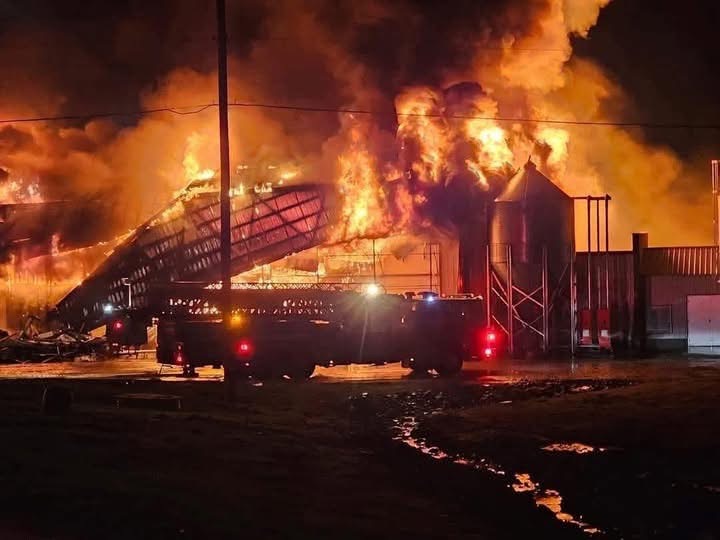
In moments of heightened tension in the Middle East, social media feeds often fill with posts that begin with phrases like “Tel Aviv, minutes ago…” or “Developing now in Israel…” These headlines are carefully structured to create urgency and drive rapid sharing—sometimes faster than verified reporting from established news organizations.
During fast-moving events, the line between confirmed information and viral amplification can blur. A recent example referenced developments in Israel and mentioned the city of Beit Shemesh, while claiming confirmation from high-level officials. Like many viral posts, it blended real locations and real institutions with incomplete or evolving information—an approach that can appear credible at first glance.
Understanding how these posts spread—and how to evaluate them responsibly—is essential for readers and publishers alike.
Why “Minutes Ago” Headlines Capture Attention
Urgency is a powerful psychological trigger. When a post implies events are unfolding “right now,” readers may feel compelled to react immediately rather than verify details.
In times of regional tension involving countries such as Israel, that urgency is amplified. Conflict-related updates can change quickly. Official statements may be clarified within hours. Early reports may contain partial information.
Viral posts often blur distinctions between:
- Confirmed official statements
- Preliminary reports
- Commentary or speculation
- Recycled or out-of-context footage
The presence of recognizable locations—such as Tel Aviv—can create an impression of authenticity, even when sourcing is unclear.
The Anatomy of a Viral Conflict Post
High-engagement posts during regional crises frequently share a similar structure:
- Location + urgency
“City name, minutes ago…” - Reference to a senior official
Mentioning a president, prime minister, or military spokesperson increases perceived legitimacy. - Dramatic framing
Events described as sudden or unprecedented. - Rapid escalation narrative
Suggesting that developments are spiraling quickly. - Minimal sourcing
Few or no direct links to official statements or reputable reporting.
These elements do not automatically mean information is false. However, they are signals that careful verification is necessary.
Cross-Checking With Reputable Sources
When evaluating breaking news, compare claims with reporting from established organizations known for editorial standards and fact-checking processes, such as:
These outlets typically:
- Attribute information to named officials
- Distinguish between confirmed facts and ongoing investigations
- Update stories as details evolve
- Avoid speculative language
If a viral post claims a senior official has “just confirmed” a major development, look for:
- A direct quote published by reputable outlets
- An official press release
- A recorded speech or briefing
- Multiple independent confirmations
If corroboration is absent, the claim may be incomplete or premature.
Why Real Locations and Officials Increase Credibility
Including real place names and institutions creates authenticity cues. Mentioning real cities like Beit Shemesh or Tel Aviv anchors a narrative in recognizable geography.
However, authenticity cues do not automatically equal accuracy. Posts can combine:
- Real names
- Real institutions
- Partial timelines
- Out-of-context imagery
Responsible reporting clearly distinguishes confirmed information from developing details.
What Responsible Coverage Looks Like
High-quality journalism during conflict follows three key principles:
1. Clear Attribution
Statements are linked to identifiable sources:
- A government spokesperson
- A military press briefing
- A verified official account
Vague phrasing such as “sources say” without context reduces credibility.
2. Careful Language
Responsible outlets use transparent phrasing when facts are still emerging:
- “According to officials…”
- “Authorities said…”
- “Initial reports indicate…”
- “Details are still being verified…”
This signals caution rather than certainty.
3. Ongoing Updates
Credible reports are timestamped and updated as new information becomes available.
Media Literacy in the Age of Instant Sharing
Algorithms often reward emotional engagement. As a result:
- Dramatic content spreads quickly
- Users may share posts without reading full articles
- Early, incomplete information can circulate widely
Before sharing, readers should ask:
- Who originally reported this?
- Is the source clearly identified?
- Are multiple reputable outlets reporting the same claim?
- Does the language appear sensational?
Pausing before sharing reduces the spread of misinformation.
AdSense Compliance and Responsible Publishing
For publishers using Google AdSense, editorial integrity directly affects compliance. Policies prioritize:
- Accurate information
- Non-misleading headlines
- Avoidance of exaggerated claims
- Content suitable for general audiences
Conflict coverage requires particular care. Publishers should avoid:
- Graphic or sensational descriptions
- Unverified allegations
- Clickbait framing
- Speculative conclusions presented as fact
Policy-compliant reporting emphasizes context, sourcing, and measured tone.
Why Caution Matters
In unfolding situations:
- Casualty figures may change
- Official statements may be clarified
- Investigations may take time
Premature conclusions can increase public anxiety and erode trust.
When unverified posts spread widely, consequences can include:
- Amplified public fear
- Diplomatic strain
- Reduced confidence in media institutions
- Advertiser concerns about brand safety
Responsible reporting protects both public understanding and long-term credibility.
Practical Steps to Verify Breaking News
- Search major news platforms
If a development is significant, reputable outlets will likely report it. - Check official government channels
Many offices publish transcripts and press releases. - Review timestamps
Ensure information is current and not recycled. - Evaluate tone
Neutral language is generally more reliable than emotionally charged phrasing. - Avoid resharing unverified content
Waiting for confirmation reduces misinformation spread.
Balancing Speed and Accuracy
Audiences expect rapid updates, but accuracy must remain the priority. Established outlets often:
- Publish brief initial reports
- Label them as “developing”
- Update with verified details
This approach allows timely coverage without sacrificing reliability.
Building Trust in a High-Speed Information Environment
Trust develops through consistency. Reliable publishers:
- Correct errors transparently
- Avoid overstating claims
- Provide context
- Respect readers’ intelligence
In periods of regional tension, thoughtful reporting supports clarity rather than confusion. By separating verified information from viral amplification, readers and publishers alike contribute to a more informed and stable public discourse.