A military helicopter was recently involved in an accident that early reports suggest may have been caused by a sudden mechanical failure. Eyewitnesses noted that the aircraft appeared to experience problems in mid-air shortly before it descended uncontrollably. While these accounts indicate a rapid sequence of events, officials have not confirmed the cause or provided details regarding casualties or injuries. This incident has drawn attention from aviation experts and the public due to the nature of military transport helicopters and the rarity of such events.
Eyewitness Accounts and Initial Observations
Preliminary eyewitness reports describe the helicopter showing signs of difficulty in flight minutes before the crash. One observer noted that the aircraft seemed to “fail” very suddenly. Although these accounts offer some insight, they remain anecdotal and have not been verified by official sources. Authorities emphasize that the public should treat early reports cautiously, as incomplete or speculative information can lead to misunderstandings.
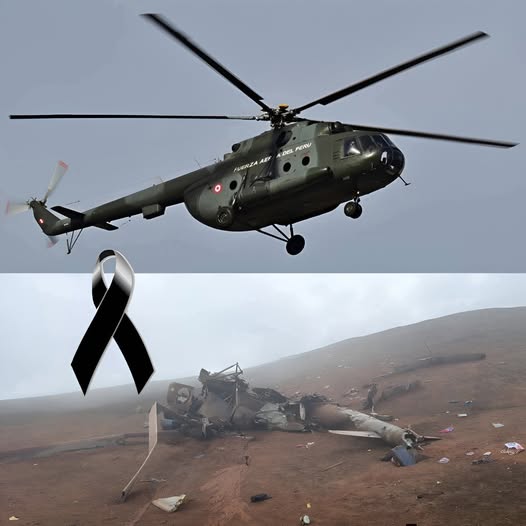
Images circulated on social media showed the helicopter flying at low altitude prior to the crash. Subsequent photos show wreckage scattered across a remote area. Some posts included black ribbons, signaling concern over potential casualties. Officials have not confirmed the number of injuries or fatalities, highlighting the preliminary nature of these reports.
Emergency Response and On-Site Observations
Photographs of the crash site show significant damage to the fuselage, with debris dispersed widely. Emergency response teams were reportedly dispatched promptly to secure the site and provide assistance. Military and civil authorities have been cautious about releasing information, noting that details regarding personnel onboard, their condition, or the extent of damage are still under investigation.
The crash area appears relatively isolated, which could complicate rescue and recovery efforts. Response teams are likely assessing safety conditions for personnel and preserving evidence critical to determining the cause of the incident.
Understanding Military Transport Helicopters
Military transport helicopters are designed for resilience and operational versatility. They carry personnel, equipment, and supplies under diverse conditions, including low visibility, challenging terrain, and combat zones. Despite robust safety features, they are not immune to mechanical failures. Common contributing factors include:
- Mechanical malfunctions: engine failures, rotor issues, and hydraulic problems.
- Environmental conditions: severe weather, turbulence, or sudden wind shear.
- Human factors: pilot experience, situational awareness, and emergency response.
- Maintenance and operational procedures: regular upkeep is essential to prevent system failures.
Standard Investigative Procedures
Authorities follow structured procedures when investigating helicopter crashes:
- Site securing and evidence collection – Debris is documented, photographed, and mapped.
- Flight data analysis – Black box or monitoring systems provide key flight information.
- Maintenance record review – Logs and service reports are examined for potential issues.
- Communication records – Radio and air traffic control transmissions are reviewed.
- Environmental and operational assessment – Weather, terrain, and protocols are evaluated.
- Expert consultation – Aviation engineers and military specialists analyze technical and operational factors.
Historical Context
While military helicopters are generally reliable, accidents are not unprecedented. Historical incidents have informed safety protocols, design standards, and pilot training programs, helping prevent similar events.
Safety and Risk Considerations
Even with rigorous safety standards, risks remain. Mechanical failures are less common than human error or environmental factors but can be sudden and severe. Preventive measures include detailed maintenance schedules, pre-flight inspections, pilot emergency training, and real-time monitoring systems.
Communication and Public Information
Authorities request patience while investigations continue. Military communication protocols prioritize notifying families before public disclosure. Confirmed information is typically released in stages as evidence is verified. Premature reporting can cause unnecessary distress.
Conclusion
The helicopter crash remains under active investigation. Search and rescue, evidence collection, and technical analyses are ongoing. Officials stress that determining the exact cause will take time, requiring comprehensive review of technical, environmental, and human factors. While public interest is high, speculation should be avoided until official findings are released.
Military transport helicopters play a vital role in operations, logistics, and emergency missions. Incidents like this, although rare, underscore the importance of maintenance, training, and structured investigative procedures in aviation safety.