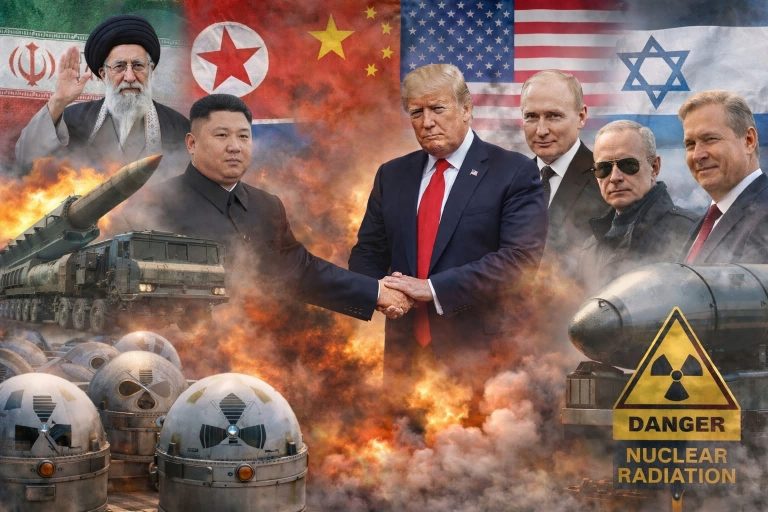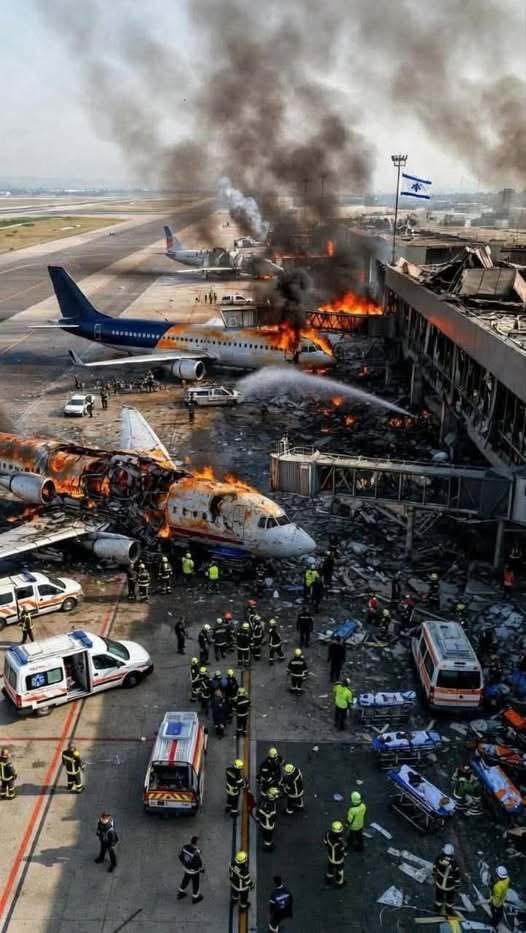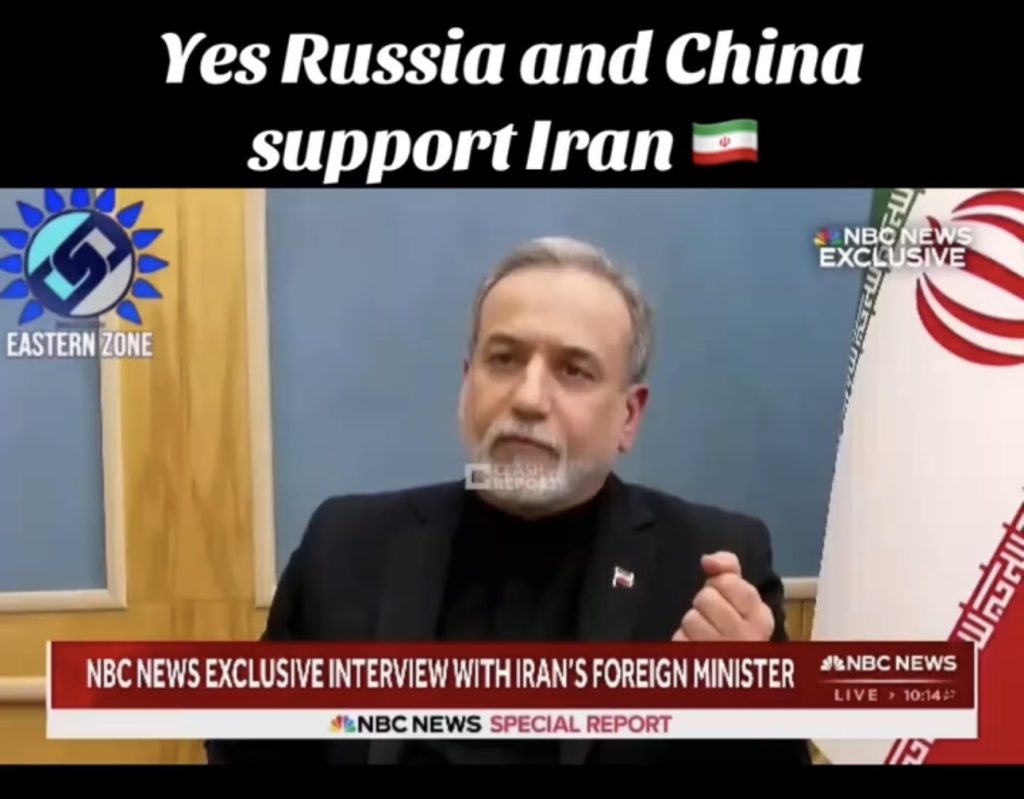
As tensions between Iran and the United States continue to escalate, the role of global powers such as Russia and China has become a major topic of discussion in international diplomacy. Iran’s foreign minister recently addressed this issue in remarks that shed light on how Tehran views its strategic partners during the crisis.
Speaking about the ongoing conflict and regional instability, the Iranian foreign minister emphasized that Russia and China play an important diplomatic role but are not directly involved in military actions. According to his remarks, both countries have expressed concern about the escalating conflict and have called for an immediate halt to military operations and a return to negotiations.
Russia and China have historically maintained strong diplomatic and economic relations with Iran. Moscow has long been a strategic partner in military and energy cooperation, while Beijing remains one of Iran’s most important economic partners, particularly in oil trade and infrastructure development. However, during the current conflict, both powers appear to be focusing on diplomatic efforts rather than direct intervention.
Chinese officials have publicly stated that they oppose the use of force in international relations and believe the priority should be stopping the fighting and preventing the conflict from spreading further across the Middle East. Chinese leaders also warned that continued escalation could push the region into what they described as a “dangerous abyss.”
Russia has taken a similar stance. Russian leaders have criticized the attacks on Iran and argued that they undermine regional stability. Moscow has also called for the crisis to be addressed through diplomatic negotiations instead of military escalation. Russian and Chinese officials have reportedly coordinated their positions through international platforms such as the United Nations and the Shanghai Cooperation Organization to push for a ceasefire and renewed dialogue.
Despite these statements of support, analysts note that neither Russia nor China has offered direct military assistance to Iran. Experts say this cautious approach reflects strategic calculations by both countries. Direct involvement in a conflict with the United States could carry enormous political, economic, and military risks.
Some international observers believe that Russia and China prefer to maintain their influence through diplomacy rather than entering a direct confrontation with Washington. Their approach appears to focus on urging restraint, encouraging negotiations, and using international institutions to pressure for a de-escalation of the crisis.
The Iranian foreign minister acknowledged this reality, stressing that while Tehran values its partnerships with Moscow and Beijing, Iran ultimately relies on its own capabilities and regional alliances to respond to threats. He also called on the international community to oppose what he described as unilateral military actions and to support diplomatic solutions.
Meanwhile, the United States has signaled that Russia and China are not central factors in its strategic calculations regarding the conflict. American officials have stated that Washington’s focus remains on addressing Iran’s military capabilities and preventing further escalation.
As the conflict continues to unfold, the positions of Russia and China will remain closely watched by governments around the world. Their decisions could influence diplomatic negotiations, global energy markets, and the overall balance of power in the region.
For now, both countries appear determined to avoid direct military involvement while pushing for a political solution that could prevent the conflict from expanding into a wider international confrontation.