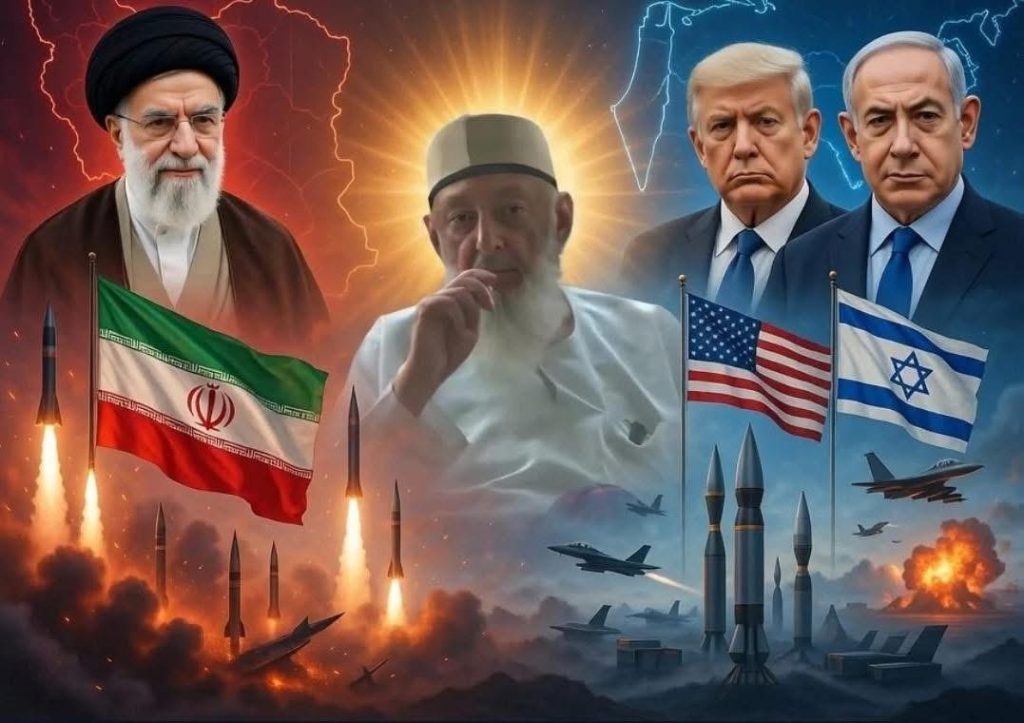
As tensions escalate between the United States and Iran, the financial cost of the conflict is becoming increasingly clear. According to analysis cited by major media outlets including CNN, the early days of the war are costing American taxpayers an estimated more than $890 million per day, highlighting the enormous economic burden of modern military operations.
The estimate comes from analysts at the Center for Strategic and International Studies (CSIS), a Washington-based think tank that studies global security and defense spending. Researchers examined known military actions and compared them with historical congressional cost estimates to calculate the likely price of the ongoing operations.
Their findings suggest that the first 100 hours of the U.S. military campaign against Iran cost approximately $3.7 billion, a staggering figure for just four days of conflict.
Breaking Down the Daily Costs
The total daily cost of the war includes multiple categories of military operations. Air operations alone are estimated to cost about $30 million per day, covering the use of advanced fighter jets, bombers, and aerial support missions.
Naval operations add another $15 million per day, reflecting the deployment of aircraft carriers, destroyers, submarines, and other naval assets across the Middle East.
Ground operations are comparatively smaller but still significant, estimated at roughly $1.6 million per day. These costs include troop logistics, equipment support, and operational coordination on the ground.
However, the largest expenses come from weapons and missile defense systems. During the first 100 hours of the conflict, analysts estimate that the United States spent about $1.5 billion on munitions, including bombs, missiles, and artillery used in strikes against Iranian targets.
Another major cost is defensive systems used to intercept Iranian missiles and drones. According to estimates, about $1.7 billion was spent on missile interception systems during that same early period. These systems include advanced missile defense technology designed to protect U.S. bases and allied infrastructure throughout the region.
Why the Early Phase Is the Most Expensive
Defense analysts explain that the opening phase of a military conflict is usually the most expensive. Early strikes often rely on high-precision weapons, stealth aircraft, and sophisticated missile systems designed to quickly neutralize key targets.
Because these weapons are highly advanced and extremely costly, the initial phase can rapidly consume billions of dollars. In fact, replacing the large number of munitions used during the first few days of combat is expected to cost more than $3 billion alone, according to the CSIS analysis.
Over time, military planners may shift to less expensive weapons and tactics, which could reduce daily costs.
What Happens If the War Expands?
The long-term cost of the war remains uncertain. Analysts say much will depend on how long the conflict continues and whether the United States expands its involvement.
One of the most expensive possibilities would be the deployment of large numbers of U.S. troops on the ground. According to economic modeling by the Penn Wharton Budget Model, a two-month ground operation could cost as much as $95 billion.
Such a scenario would dramatically increase the financial burden on the U.S. government and could spark political debate in Washington over military spending and war funding.
A Growing Financial and Political Debate
With the Pentagon releasing only limited details about its spending, analysts continue to estimate the costs based on available data. What is clear, however, is that the financial impact of the conflict is already significant.
For American taxpayers, the price of modern warfare is measured not only in military strategy and geopolitical consequences, but also in billions of dollars spent in just a matter of days.
As the conflict unfolds, both policymakers and the public will be closely watching not only the military developments—but also the growing cost of war.