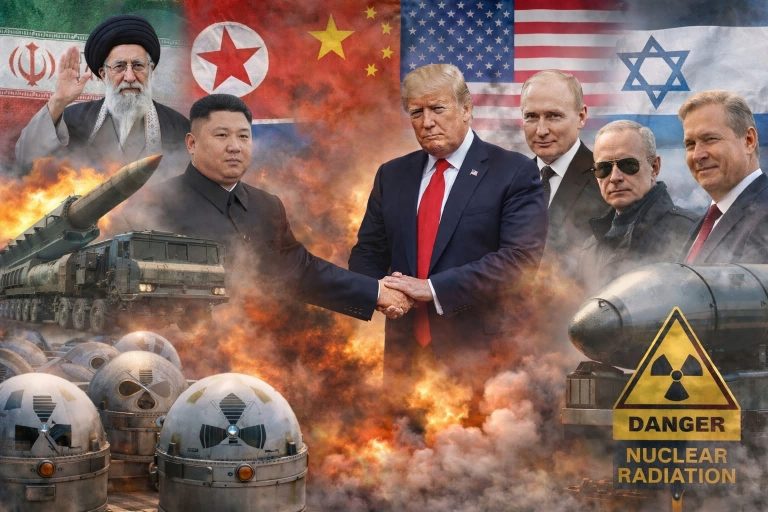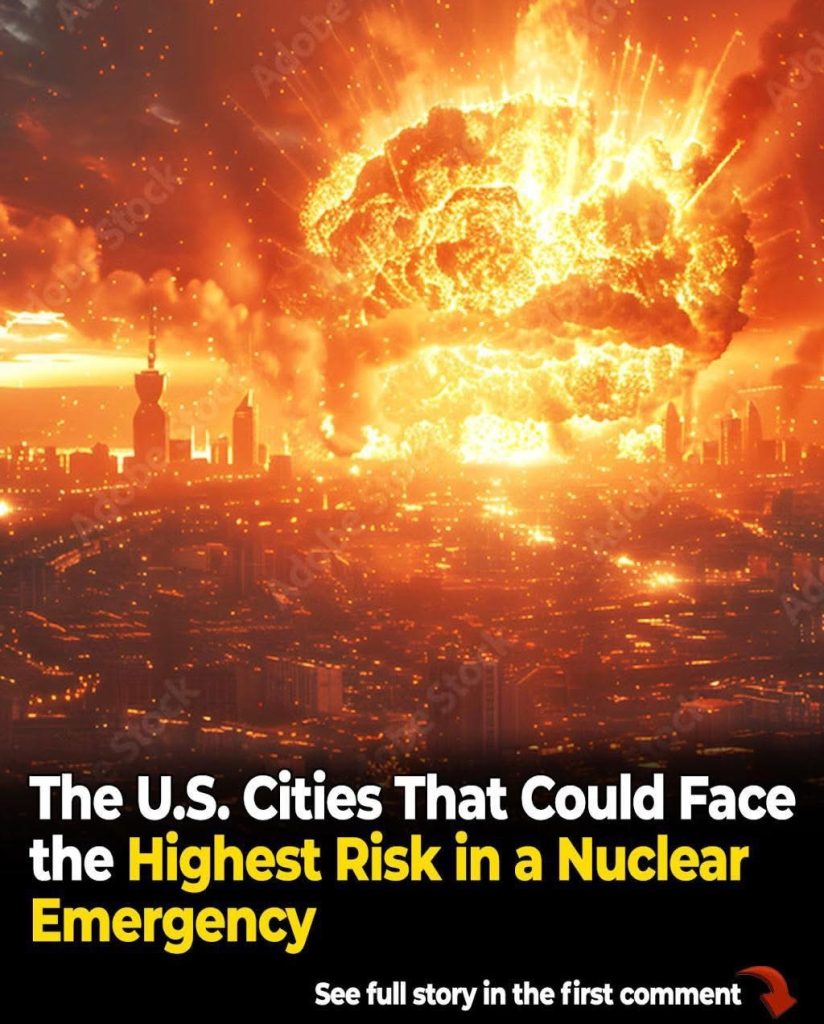
Global tensions following the invasion of Ukraine by Russia under Vladimir Putin have revived worldwide concerns about the possibility of nuclear conflict. While a nuclear war between the United States and Russia remains unlikely, experts note that certain locations would theoretically face higher risks if such a scenario ever occurred.
Although the threat may seem distant to many people, analysts often examine potential targets to understand how nuclear strategy and deterrence work between major powers.
Russia’s Nuclear Arsenal
Russia currently possesses one of the largest nuclear arsenals in the world. According to estimates from the Federation of American Scientists, Russia holds roughly 4,380 active nuclear warheads, with about 1,200 additional retired warheads awaiting dismantlement.
Combined with the nuclear stockpile of the United States, these two nations account for about 87% of the world’s nuclear weapons.
This concentration of nuclear capability has long shaped global security policy. Experts frequently compare today’s tensions with those experienced during the Cuban Missile Crisis, when the world came close to nuclear conflict.
Major U.S. Cities Considered High-Value Targets
Strategic analyses often suggest that in a theoretical nuclear conflict, large metropolitan areas would likely be targeted because of their political, economic, and population significance.
Cities frequently mentioned in such assessments include:
These cities contain major financial centers, government institutions, transportation hubs, and large populations, which makes them strategically significant in theoretical military planning.
Washington, D.C. as a Strategic Target
Washington, D.C. is widely considered one of the most likely targets in nuclear strategy discussions because it houses the core of the U.S. government.
Key institutions located there include:
- The White House
- The Pentagon
Targeting such command centers would theoretically aim to disrupt government and military coordination during a conflict.
U.S. Missile Fields in Western States
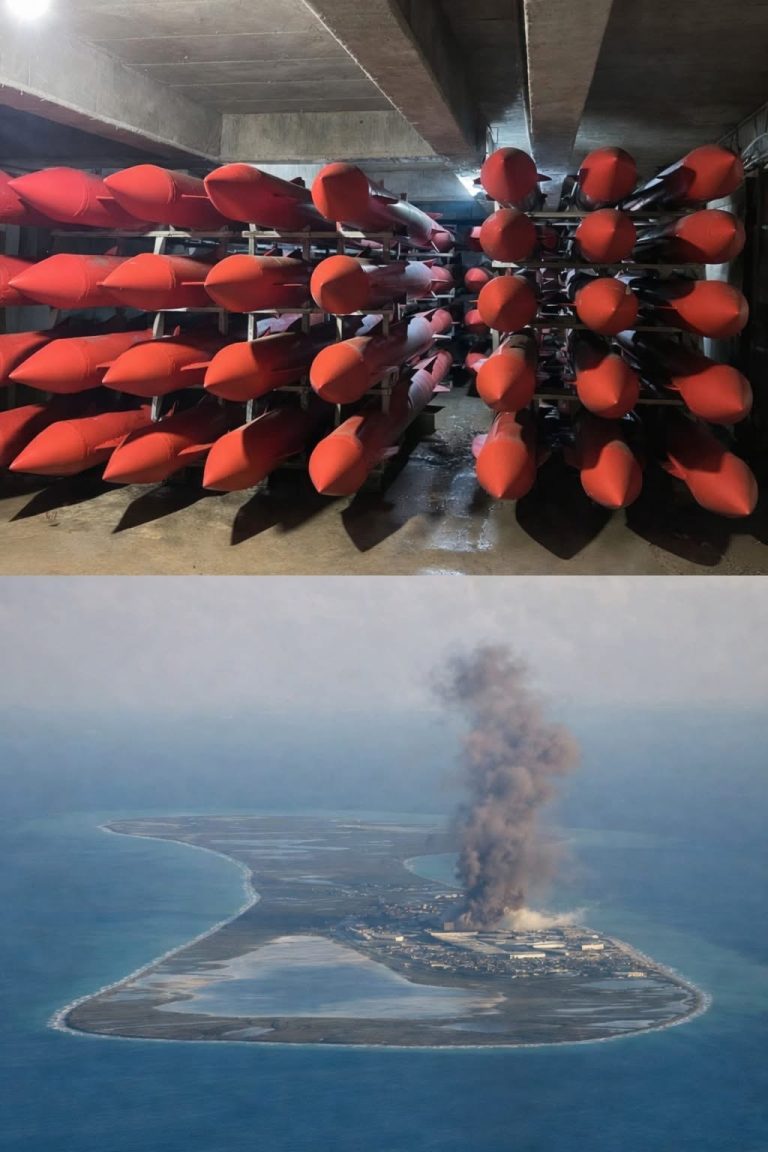
Another major target category would likely be U.S. nuclear missile infrastructure.
The United States maintains around 400 Minuteman III intercontinental ballistic missiles, located in underground silos across several states:
Key bases include:
These facilities form the land-based portion of the U.S. nuclear triad. In theory, an adversary might target them in an attempt to reduce the United States’ ability to launch retaliatory strikes.
Nuclear Power Plants as Strategic Vulnerabilities
The United States operates around 94 nuclear reactors across 30 states, which could represent critical infrastructure during wartime.
Among the largest facilities are:
Damage to such facilities could potentially create severe environmental contamination due to radioactive materials.
Potential Risks for NATO Allies
In the event of a large-scale conflict between Russia and NATO, analysts believe other allied countries could also face risks.
For example, the United Kingdom has been strongly supportive of Ukraine since 2022. Historical Cold War planning documents indicate that major British cities such as:
were considered strategic targets due to their population density and infrastructure.
Military facilities such as RAF Fylingdales could also be prioritized because of their role in early warning radar systems.
Nuclear Winter and Global Consequences
Scientific models suggest that even a limited nuclear exchange could trigger devastating global effects.
Researchers warn that widespread fires and smoke could block sunlight and disrupt global agriculture, creating what is known as nuclear winter. Some studies estimate that global famine caused by such climate disruptions could affect billions of people worldwide.
Political Warnings About Nuclear Risk
In recent years, global leaders have occasionally warned about the risks of escalation.
Joe Biden stated in 2022 that the world faced the highest nuclear risk since the Cuban Missile Crisis if nuclear weapons were ever used in the ongoing conflict involving Ukraine.
Officials from NATO, including Jens Stoltenberg, have emphasized that the alliance seeks to avoid escalating nuclear rhetoric while maintaining deterrence.
Conclusion
Although a nuclear conflict between major powers remains highly unlikely, analysts continue to study potential scenarios to better understand global security risks.
Large metropolitan areas, military installations, and critical infrastructure are often identified as theoretical targets in strategic models. However, diplomatic engagement, international agreements, and nuclear deterrence remain central tools aimed at preventing such catastrophic outcomes.
The hope among global leaders and security experts is that nuclear weapons will continue to serve as a deterrent rather than ever being used again.