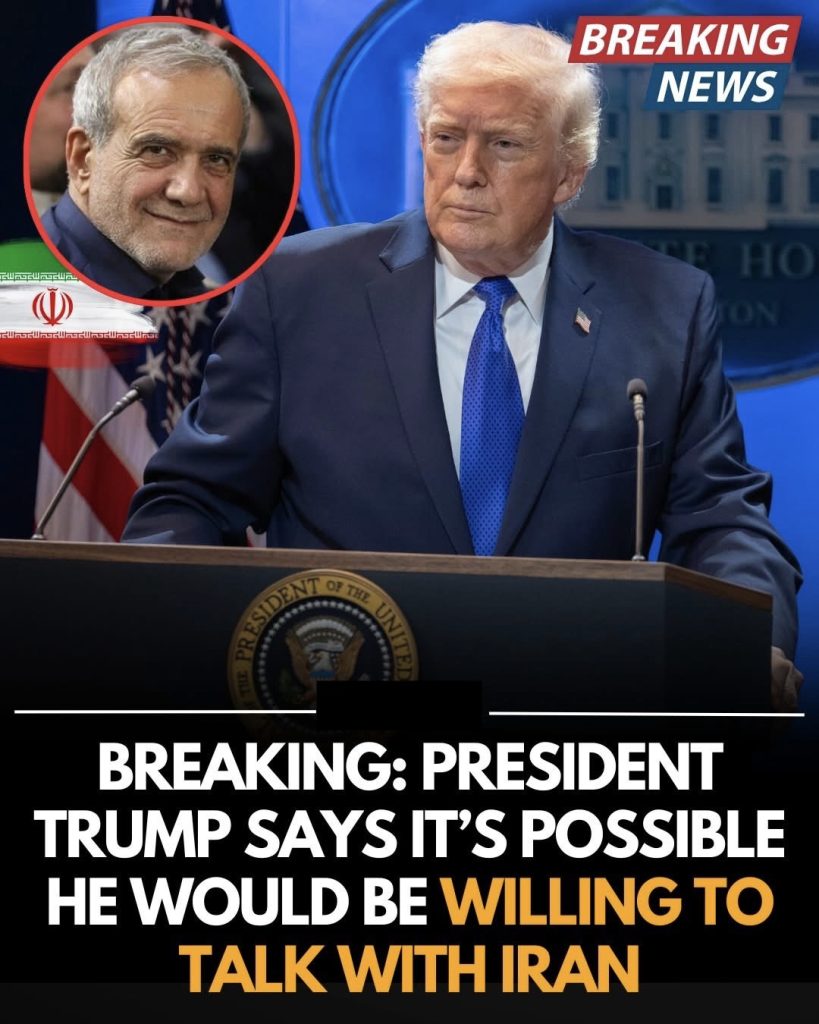
a move that comes as a surprise following weeks of high-intensity military rhetoric. This “willingness to talk” suggests that the administration may be looking for a diplomatic off-ramp to avoid a long-term, entrenched conflict in the Middle East.
The sudden change in tone follows reports of growing internal pessimism regarding the lack of a clear exit strategy for the ongoing operations. By floating the possibility of dialogue, the White House could be testing the waters to see if the new Iranian leadership under Mojtaba Khamenei is ready to make significant concessions.
Strategic analysts believe this move is intended to project a position of strength, offering a deal only after establishing a “maximum pressure” military baseline. It puts the burden of de-escalation back on Tehran, forcing them to choose between continued bombardment or coming to the table under U.S. terms.
Global markets have reacted almost instantly to this headline, with oil prices showing a slight dip as traders speculate on the possibility of a ceasefire. However, skeptics warn that this could simply be a tactical pause designed to regroup and reassess the next phase of the regional strategy.
Allies and adversaries alike are now waiting to see if any formal preconditions will be set for these potential talks. If a meeting were to occur, it would be the most significant diplomatic encounter between the two nations in decades, potentially redefining the security architecture of the entire region.