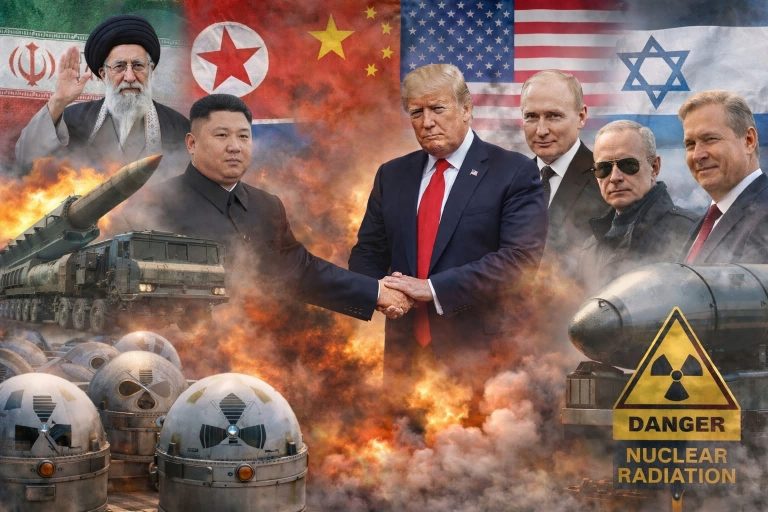
A new statement from officials in Tehran has intensified global discussions about the future of cyber warfare and the growing role of technology companies in modern geopolitical conflicts. Iranian authorities have suggested that the digital and physical assets of major American technology firms could be considered legitimate targets if tensions escalate further between Iran and the United States.
The declaration represents a significant shift in how conflicts may unfold in the digital age. Instead of focusing solely on traditional military infrastructure, the statement implies that corporations providing advanced technologies—especially artificial intelligence, cloud computing, and data infrastructure—may now be viewed as part of the strategic landscape of modern warfare.
Technology Firms in the Geopolitical Spotlight
Among the companies frequently mentioned in security discussions are NVIDIA and Palantir Technologies. These firms are widely known for developing high-performance computing chips, data analysis platforms, and artificial intelligence tools that can be used in both civilian and defense applications.
Modern military systems increasingly rely on advanced computing power, large-scale data processing, and AI-assisted analysis. From satellite imagery interpretation to autonomous defense systems, many of the technological components that support national security originate in private-sector innovation.
Because of this integration between defense agencies and technology providers, some governments argue that large technology firms effectively form part of the broader strategic infrastructure supporting Western defense capabilities.
The Rise of Cyber Warfare
Cyber warfare has become one of the most significant security concerns of the 21st century. Unlike traditional conflicts fought on land, sea, or air, cyber operations occur in digital networks that connect governments, corporations, and civilians worldwide.
Security experts warn that cyber attacks targeting major tech companies could potentially disrupt critical services such as:
- Global cloud computing systems
- Financial transaction networks
- Satellite communications
- Data centers powering digital infrastructure
If major platforms were compromised, the ripple effects could affect businesses, governments, and everyday users across the world.
Blurring the Line Between Military and Private Industry
The current situation highlights a growing challenge in international security: the boundary between government defense systems and private-sector technology is becoming increasingly blurred.
Companies that once focused primarily on commercial products now provide technologies used by defense organizations, intelligence agencies, and national security institutions. Cloud infrastructure providers, AI developers, and semiconductor manufacturers all play crucial roles in the digital backbone of modern states.
As a result, geopolitical tensions increasingly involve not only governments but also the companies responsible for building and maintaining key digital systems.
Corporate Cybersecurity on High Alert
In response to growing cyber threats worldwide, major technology companies have already begun investing heavily in advanced cybersecurity measures. These include:
- Expanded digital threat monitoring
- Stronger encryption systems
- Advanced intrusion detection technologies
- Partnerships with national cybersecurity agencies
Some companies are also strengthening the physical security of data centers and research facilities, recognizing that digital infrastructure is now as strategically important as traditional industrial assets.
Global Market Reactions
Financial markets and international investors often respond quickly to signs of geopolitical risk. When tensions involve the technology sector—which underpins global communication, finance, and commerce—the potential economic impact becomes even more significant.
Investors are closely monitoring developments involving large technology firms, as disruptions to semiconductor supply chains, cloud infrastructure, or AI development could have widespread economic consequences.
The global technology industry operates through deeply interconnected supply chains involving manufacturers, software developers, and research institutions across multiple countries. Any disruption could affect production timelines, international partnerships, and long-term innovation.
A Changing Battlefield
Experts frequently note that the concept of the battlefield has evolved dramatically in recent decades. Conflicts are no longer confined to physical territory; they now extend into digital networks, satellite systems, and global information flows.
As technology continues to shape defense capabilities, companies that design advanced software, processors, and cloud infrastructure are increasingly positioned at the center of geopolitical competition.
While governments remain the primary actors in international conflicts, the role of private technology firms in shaping strategic capabilities is becoming more visible than ever before.
Looking Ahead
Although tensions and strong statements between nations are not uncommon in international politics, analysts emphasize that the situation illustrates how interconnected modern technology and global security have become.
The world’s digital infrastructure supports everything from banking systems to communication platforms and scientific research. Protecting these networks is now considered a critical part of national and global security.
As geopolitical rivalries evolve, cybersecurity, artificial intelligence, and advanced computing will likely remain central to international strategy. The developments also serve as a reminder that the digital systems powering everyday life—from smartphones to cloud services—are now part of a broader global security landscape.
For governments, companies, and citizens alike, the challenge moving forward will be balancing technological innovation with the need to protect the systems that underpin the modern world.