Introduction: Why White Fabrics Lose Their Glow
When white clothing and linens gradually shift from crisp brightness to a muted, yellowish or gray tone, most people assume the fabric is simply old or worn out. In reality, discoloration is often not due to damage or age alone. The underlying cause is the slow and steady build-up of substances that cling to fabric fibers after repeated wear and washing.
Each day, clothes absorb microscopic particles we don’t notice. Body oils and sweat settle into the threads. Deodorants can leave mineral traces behind. Hard water contributes residue. Even detergents — the very products meant to clean — can sometimes leave behind traces when the rinse cycle cannot fully break them down. Over time, these layers compact and create a film that dulls white fabric.
Instead of fading from use, the fabric becomes coated in what’s left behind.
At a glance, a shirt or towel may appear clean. But under bright light, the fabric looks tired. The texture may feel a little stiff. There may be a shadowed tint beneath the surface. It’s not permanent damage, but routine washing may not be enough to restore brightness.
This is where a non-medical household use of aspirin comes in. While its primary purpose is pharmaceutical, many households explore aspirin as a laundry aid because of its well-known ingredient: salicylic acid. This compound offers unique properties that can help break apart the buildup that contributes to discoloration.
When handled and used properly as part of a cleaning routine — not consumed, not applied to skin, and not used as a medical treatment — aspirin can function as a fabric-care assistant.
This guide explains how the process works, how to try it safely at home, and what to avoid.
This is not guaranteed to work for every garment, but many households find it a practical, low-cost laundry experiment.
Understanding the Residue Problem
To understand why aspirin may help in laundry, we first need to examine what accumulates on white fabric over time.
1. Body Oils and Sweat
Human skin naturally releases oils that soak into fabric fibers. These oils trap dust and interact with laundry products, making discoloration even more stubborn.
2. Deodorant and Antiperspirant
Many deodorants contain compounds like aluminum salts. These ingredients can react with sweat, leading to yellowing concentrated in underarm areas.
3. Hard Water Deposits
Homes with hard water have higher mineral content — commonly calcium and magnesium. These minerals cling to wet fabrics and encourage detergent residue to remain.
4. Detergent Layering
When detergent doesn’t rinse away completely, a thin film remains. Layer after layer, wash after wash, that film becomes part of the fabric’s texture.
5. Environmental Exposure
Storage conditions, sunlight, dust, and natural aging of fibers all contribute to the loss of brightness.
This combination forms a resilient buildup. Basic laundry cycles may clean surface dirt but leave behind deeper layers. A booster or pretreatment may be the missing step.
How Aspirin Interacts with Fabric (Household Use Only)
When aspirin is crushed and exposed to warm water, it dissolves and releases salicylic acid in diluted form.
In cleaning contexts this compound can:
• Loosen organic residue so it separates from fibers
• Soften detergent buildup trapped in threads
• Help lift discoloration caused by oils or minerals
• Support detergent instead of replacing it
This is not bleach, not a chemical whitener, and not a fabric lightener. Instead, it works like a mild pre-cleaning assistant that helps fabric respond better to normal detergent.
Think of the fabric as being covered by invisible layers. Diluted salicylic acid helps interrupt the bond between residue and fibers, allowing water to carry particles away.
Results vary, but many households notice improvement with cotton fabrics, towels, linens, and athletic clothing.
Step-by-Step Instructions: Three Methods to Try
Important Before You Begin
• Use uncoated aspirin only
• Do not mix with bleach
• Avoid delicate fabrics like silk, wool, or cashmere
• Test on a hidden area for colored fabrics
• Store aspirin safely away from children and pets
Method 1: Full-Load Booster for Regular Laundry
This method supports everyday brightness maintenance.
You will need:
• 2–3 uncoated aspirin tablets
• White laundry
• Regular detergent
Steps:
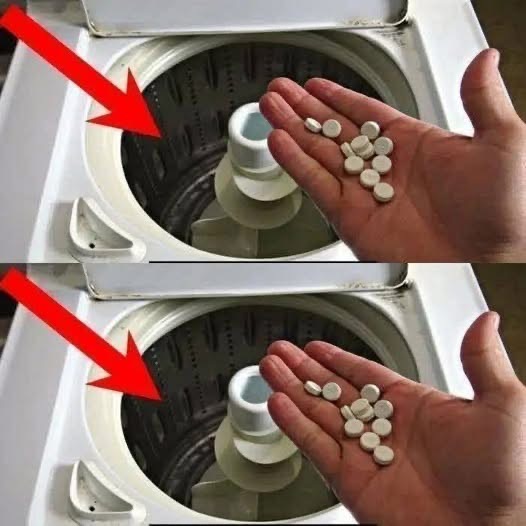
- Crush tablets into powder.
- Sprinkle powder into the washing machine drum.
- Add clothes.
- Add detergent normally.
- Run a warm-water cycle.
Ideal for:
• T-shirts
• Socks and underwear
• Towels
• Cotton bedsheets
• Baby blankets (if approved in the household)
Frequent use may gradually improve overall brightness.
Method 2: Soaking for Stubborn Stains
For visible yellowing or persistent stains.
Supplies:
• 4 uncoated aspirin tablets
• 1 gallon warm water
• Basin or bucket
Steps:
- Crush tablets.
- Dissolve powder in warm water.
- Submerge the garment completely.
- Soak for 2–6 hours.
- For stubborn stains, soak overnight.
- Wash normally afterward.
Common uses:
• Underarm discoloration
• Collar stains
• Yellowed towels
• Storage stains
Method 3: Detergent Booster for Hard Water Homes
Hard water can make detergent less effective.
Two options:
Option A
Mix crushed aspirin powder with powdered detergent before washing.
Option B
Place whole tablets in the detergent compartment.
This may help detergents perform better in mineral-heavy water.
Practical Tips for Better Results
• Use warm water instead of hot
• Avoid overloading the washer
• Use an extra rinse cycle if possible
• Keep laundry-use aspirin stored separately from medical aspirin
Safety and Responsibility Notes
This method is a household cleaning technique, not a medical use.
Avoid:
• Using coated tablets
• Mixing aspirin with bleach
• Inhaling the powder
• Applying aspirin to skin
• Using on delicate fabrics without testing
If uncertain, test one garment first.
Why Results Differ Between Homes
Laundry results depend on several factors:
• Fabric type
• Age of clothing
• Detergent quality
• Water hardness
• Washing machine performance
Some households see strong improvement. Others notice only subtle changes.
Treat this as a practical experiment rather than a guaranteed fix.
A Final Reflection
Caring for clothing is more than just a routine task. There’s something satisfying about restoring what we already own instead of replacing it.
A white shirt brought back to life can feel like reclaiming a small piece of the past.
Sometimes the simplest solutions — even something as ordinary as aspirin — remind us that household care is built on curiosity, patience, and experimentation.
Conclusion
Aspirin is not a replacement for detergent or professional cleaning, but when used responsibly it may act as a helpful laundry booster. Its ability to loosen residue and support detergent performance makes it an affordable option worth trying for some households.
Always prioritize safety, test new techniques, and adjust based on your own experience. Laundry care, like all home maintenance, improves with practice.