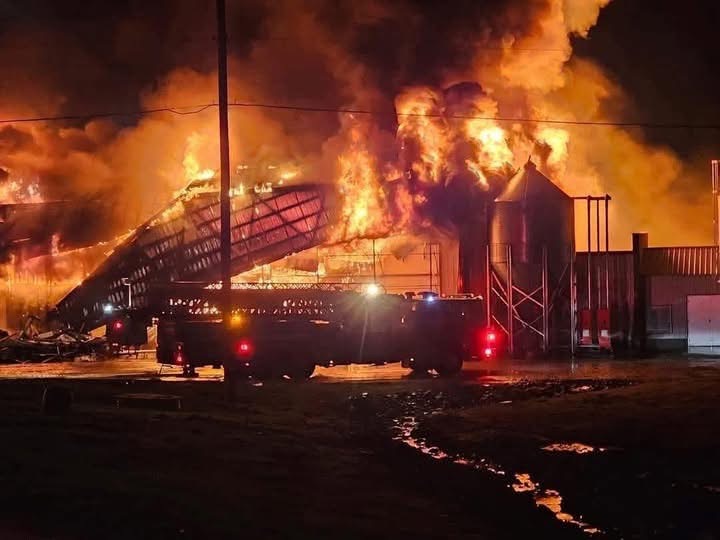
A deeply alarming incident has drawn national attention after reports emerged of a violent attack targeting a Jewish school and synagogue in the U.S. state of Michigan. Early accounts describe a vehicle ramming into a building associated with the Jewish community, followed by reports of gunfire that triggered panic, emergency responses, and widespread concern.
While details are still evolving, the combination of a vehicle assault and possible firearm use has raised serious questions about safety and security at religious and community institutions.
What We Know So Far
According to initial reports and witness accounts, the incident occurred during what appeared to be a normal day at or near a Jewish school connected to a synagogue. A vehicle reportedly accelerated into or near the building, causing structural damage and immediate chaos.
Shortly afterward, witnesses reported hearing gunfire, although the exact sequence of events remains under investigation.
Emergency responders—including police, firefighters, and medical teams—quickly arrived on the scene. Authorities secured the area, evacuated individuals, and began assessing potential injuries.
Officials have urged caution regarding unverified details, emphasizing that investigations are ongoing.
The Scene: Fear and Confusion
Witnesses described a sudden shift from routine to chaos. Students, staff, and community members were forced to react quickly as the incident unfolded.
Some individuals reportedly took shelter inside classrooms or secure areas, following emergency protocols, while others fled the scene.
First responders worked rapidly to establish control. Police secured the perimeter while medical personnel evaluated those who may have been injured. Families rushed to seek information about their loved ones.
Understanding the Nature of the Attack
The reported use of a vehicle combined with possible gunfire reflects patterns seen in certain modern attacks. Vehicles are easily accessible and can be used as weapons, and when combined with firearms, the threat level increases significantly.
However, authorities have not yet confirmed all aspects of the incident. Investigators are working to determine:
- Whether the vehicle impact was intentional
- Whether gunfire was definitively involved
- The identity and motives of any suspects
- Whether the act was planned or spontaneous
Only a full investigation will determine whether the incident meets the legal definition of terrorism.
Community Impact
Regardless of classification, the emotional impact is immediate. Schools and places of worship are considered safe spaces, and an incident like this can deeply shake that sense of security.
For members of the Jewish community in Michigan and beyond, the event raises concerns about safety and potential targeted violence.
Law Enforcement Response
Local and federal agencies are expected to play key roles in the investigation. Authorities will likely examine:
- Surveillance footage
- Eyewitness accounts
- Forensic and vehicle data
- Digital or online activity
Security at similar institutions may also be increased as a precaution.
Broader Security Concerns
This incident comes amid ongoing concerns about attacks on religious institutions. Many communities have already implemented measures such as:
- Controlled entry points
- Surveillance systems
- Coordination with law enforcement
- Emergency preparedness training
While these steps improve safety, they cannot eliminate all risks.
Emotional and Psychological Impact
Beyond physical damage, such events leave lasting emotional effects. Those affected may experience fear, anxiety, or trauma. Support services are often critical in helping communities recover.
National Attention and Response
Incidents of this nature often draw national attention and responses from public figures and organizations. These reactions emphasize unity, support, and the importance of safety.
Investigation and Accountability
A thorough investigation is essential to:
- Establish the facts
- Identify those responsible
- Ensure appropriate legal action
Accountability is critical both for justice and for preventing future incidents.
Community Resilience
Communities affected by violence often respond with strength and solidarity. Vigils, support efforts, and outreach initiatives help people come together and begin the process of healing.