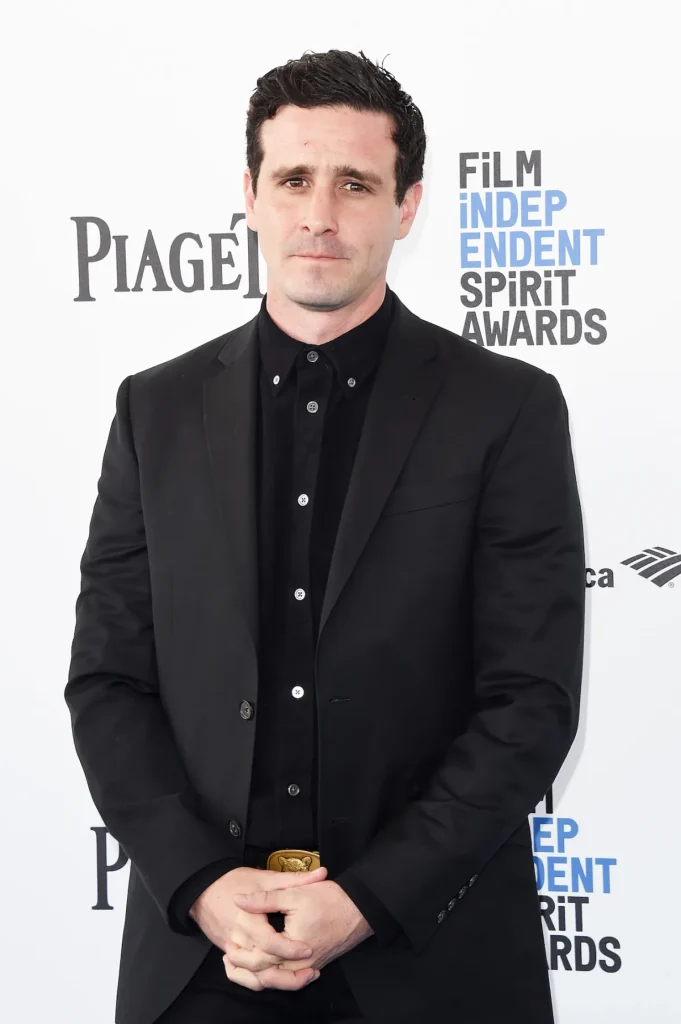
Before his death at the age of 46 in December 2025, James Ransone had been remarkably open about his personal struggles, including childhood trauma, addiction, and his long journey to sobriety.
Known for his roles in The Wire, Generation Kill, Sinister, It Chapter Two, and The Black Phone, Ransone built a respected acting career. However, behind his professional success was a deeply personal story marked by pain, resilience, and recovery.
Speaking Out About Childhood Trauma
In 2021, Ransone publicly shared allegations of abuse from his childhood. He stated that he had been sexually abused by a former tutor over a period of several months in 1992.
According to Ransone, the experience left a lasting emotional impact, describing it as a source of “shame and embarrassment” that followed him into adulthood. He later connected this trauma to the struggles he faced with substance abuse.
Although he reported the allegations to authorities in 2020, no charges were filed. Despite this, his decision to speak openly was seen as a powerful step toward confronting his past.
A Battle With Addiction
Ransone also spoke candidly about his addiction, revealing that he developed a serious heroin dependency in his twenties. By the age of 27, he said he was deeply in debt and struggling physically and mentally.
In interviews, he explained how prescription medications initially led him down that path, eventually progressing to heroin use. At the peak of his addiction, he admitted to using heavily on a daily basis.
He described this period as one of chaos and self-destruction, acknowledging that he had been arrested multiple times and had come close to losing his life.
Rock Bottom and Turning Point
Ransone openly discussed hitting rock bottom, recalling moments where he nearly died from overdoses. In one instance, he said he had to be revived after a life-threatening episode.
He also revealed that he had attempted suicide more than once during this period, describing a point where substances no longer provided any relief.
His turning point came in 2006, when he reached out to a friend and made a critical decision: seek help or risk losing his life. He chose rehabilitation—and from that moment forward, his life began to change.
Life After Sobriety
After getting sober in 2006, Ransone remained committed to recovery. He later spoke about how confronting his past allowed him to rebuild his life and pursue his career with clarity and purpose.
His sobriety came before some of his most notable roles, proving that his success was built on a foundation of personal transformation.
Ransone went on to marry and start a family, often expressing gratitude for the stability and meaning that came after years of struggle.
A Story of Honesty and Resilience
Throughout his life, Ransone’s willingness to speak openly about difficult topics helped shed light on issues often kept hidden—such as trauma, addiction, and mental health.
His story was not just one of hardship, but also of resilience. By sharing his experiences, he offered insight and, for many, a sense of understanding and hope.
While his passing marked a tragic end, his words and experiences remain a powerful reminder of the importance of seeking help, confronting the past, and continuing forward—no matter how difficult the journey may be.