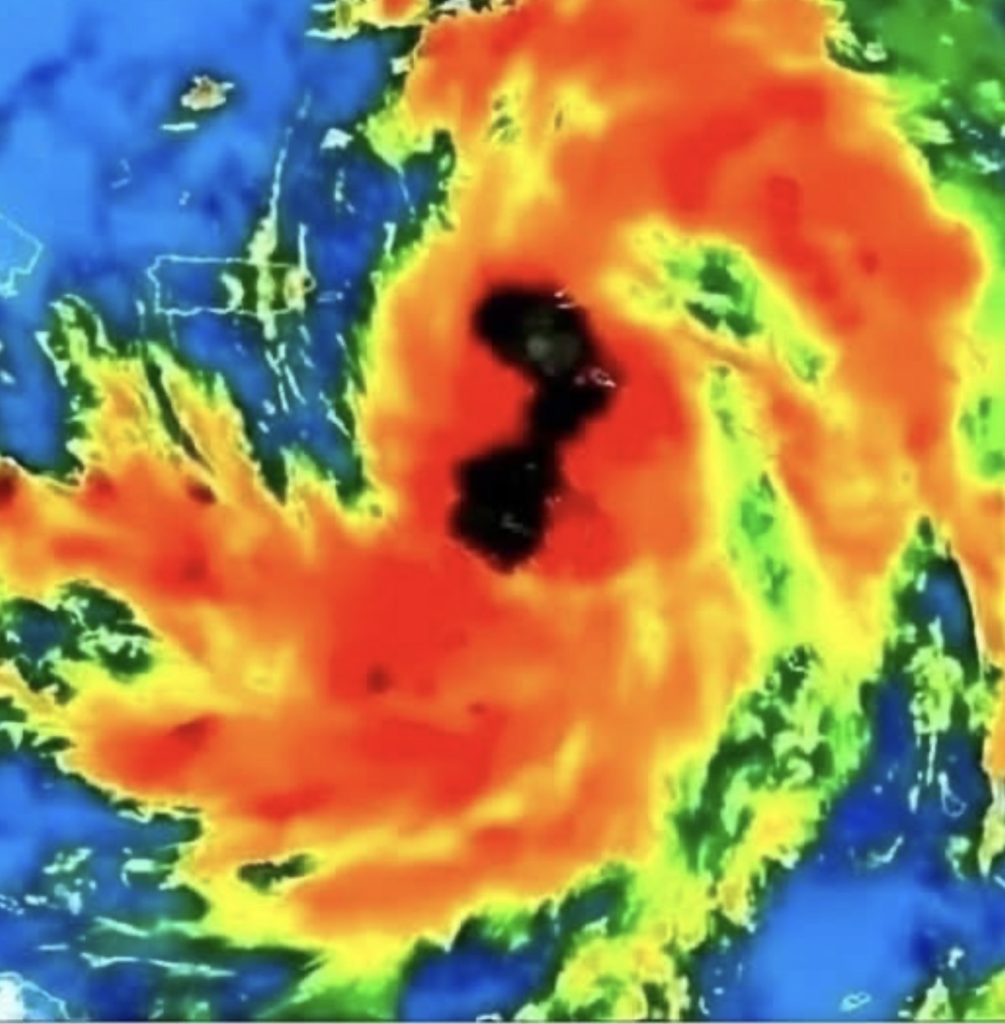
Severe weather is affecting the Caribbean and the southeastern United States at the same time, turning this period into one of the most turbulent weeks experts have faced in years. A combination of threats — earthquakes, widespread flooding, Saharan dust, and forming tropical systems — is unfolding simultaneously, placing heavy pressure on communities and emergency services.
The situation began with an earthquake near Trinidad. While the quake did not cause major destruction, it unsettled residents who are already on edge during an active storm season. In parts of Central America, continuous heavy rainfall has led to serious flooding, submerging homes, damaging roads, and forcing evacuations by boat. Rescue teams have been working around the clock, and rising water levels suggest the situation could worsen.
At the same time, a large Saharan dust cloud is moving across the region, lowering air quality, reducing visibility, and covering islands in fine sand. Health officials are advising people with breathing problems to remain indoors, and disruptions to air travel are possible due to the thickness of the dust.
Over the Atlantic, forecasters are closely monitoring Tropical Storm Flossie along with other developing disturbances. Warm ocean waters and favorable atmospheric conditions mean these systems could intensify quickly, bringing heavy rain, strong winds, flooding, and potential storm surge to the Caribbean and the U.S. Southeast.
The greatest concern lies in the convergence of these hazards. Emergency services are under strain, hospitals are handling dust-related respiratory cases while preparing for storm-related injuries, and communication systems are under heavy demand. When multiple crises overlap, the risks increase significantly, especially for vulnerable populations.
Authorities urge residents to stay informed, prepare emergency supplies, follow evacuation guidance, limit dust exposure, and look out for neighbors. While the days ahead remain uncertain, awareness, preparation, and community support will be key to staying safe.