What should have been an uneventful flight from Thiruvananthapuram to Dubai became a moment of sheer terror for everyone aboard Emirates Flight EK521. As the aircraft descended toward Dubai International Airport on a seemingly normal Wednesday afternoon, passengers remained relaxed, unaware that they were minutes away from disaster.
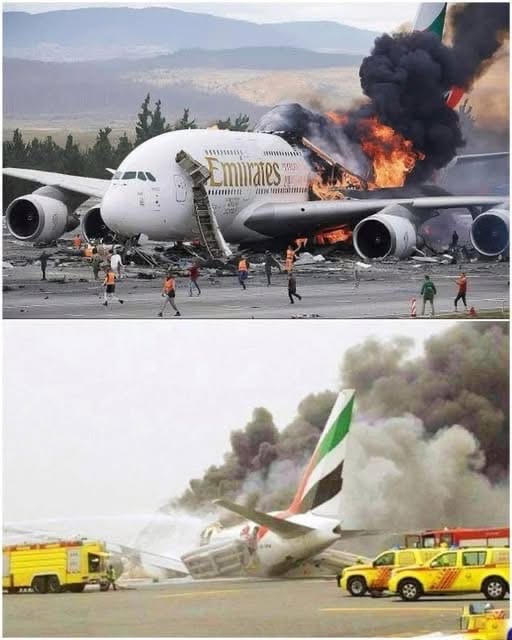
Clear weather conditions gave no warning of what was to come. Shortly before landing, the captain made an announcement about a potential issue with the landing gear. To many passengers, it sounded precautionary—nothing alarming. But seconds after touchdown at approximately 12:45 p.m. local time, the situation escalated dramatically.
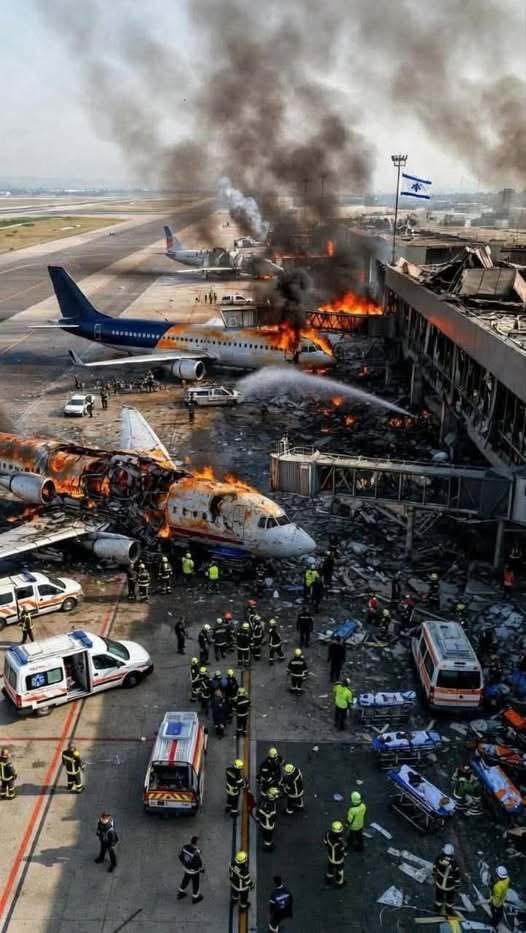
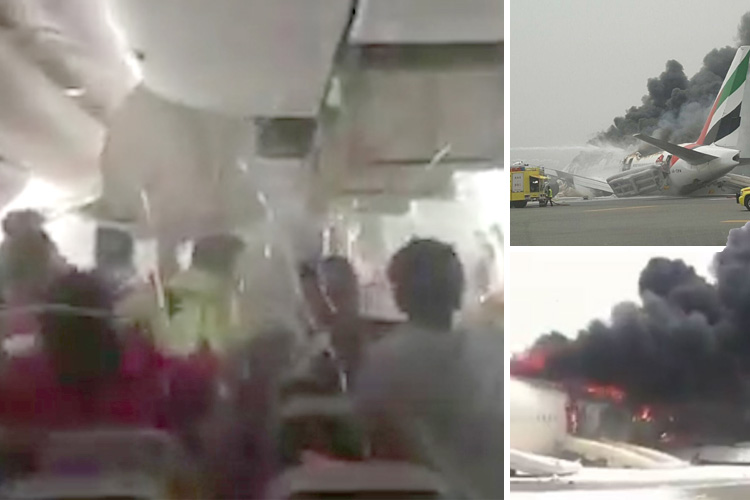
The aircraft failed to settle properly on the runway. Sparks, flames, and thick smoke followed as the plane skidded to a halt, turning an ordinary arrival into a scene of chaos.
Race Against Time Inside a Burning Aircraft
With fire spreading rapidly, the priority became getting everyone out alive. On board were 282 passengers and 18 crew members. Emergency slides were deployed as smoke filled the cabin, visibility dropped, and panic threatened to take over.
Passengers later described rushing toward exits, abandoning carry-on luggage, and focusing only on survival. Flight attendants shouted instructions, directing people firmly but calmly, ensuring the evacuation continued despite fear and confusion.
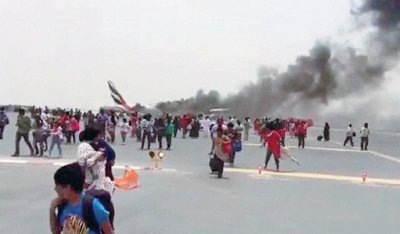
Within minutes, every passenger and crew member had escaped the aircraft. Soon after, the plane was completely engulfed in flames. The fact that all 300 people on board survived remains one of the most remarkable outcomes of a major aviation incident.
A Life Lost in the Line of Duty
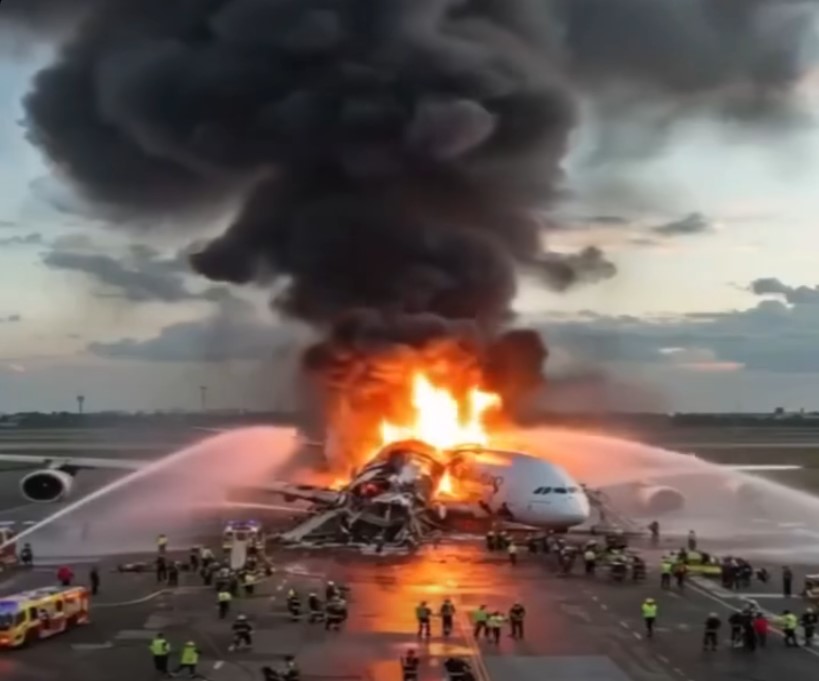
Despite the successful evacuation, the incident claimed one life. A firefighter responding to the blaze died while battling the flames on the runway. His death cast a shadow over what could have been a far worse tragedy and underscored the danger first responders face when emergencies strike.
Ten passengers were taken to hospital with injuries, though authorities later confirmed none were critical. For survivors, the physical wounds may heal quickly—but the memory of those moments will likely last forever.
What May Have Gone Wrong
Preliminary assessments pointed toward wind shear—a sudden and dangerous shift in wind speed or direction—as a possible contributing factor. Aviation experts note that wind shear during landing can destabilize an aircraft in seconds, even under experienced hands.
Passengers also recalled the pilot’s warning about a potential landing gear problem, though investigators have not confirmed whether it played a role. Officials emphasized that determining the cause will require detailed analysis of flight data recorders, cockpit voice recordings, aircraft systems, and weather conditions.
Response From Emirates and Dubai Authorities
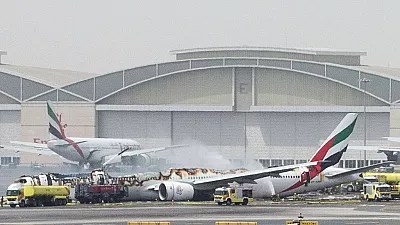
Emirates Airlines released a statement expressing deep relief that all passengers and crew survived, while also honoring the firefighter who lost his life. The airline pledged full cooperation with investigators.
Dubai International Airport temporarily halted operations following the incident, causing widespread delays as emergency services worked to secure the runway and extinguish the fire. Images of the burning aircraft quickly spread across global news outlets, reigniting discussions around aviation safety and emergency readiness.
Survivors Speak Out
Passengers later shared chilling accounts of smoke filling the cabin, the heat radiating through the walls, and the urgency in crew members’ voices. Some described holding children tightly as they slid down emergency chutes, unsure what awaited them below.
Others spoke of standing on the tarmac, watching the aircraft burn, overwhelmed by the realization that they had narrowly escaped death. Many credited the crew’s discipline and clarity for preventing panic from spiraling out of control.
Courage, Training, and Teamwork
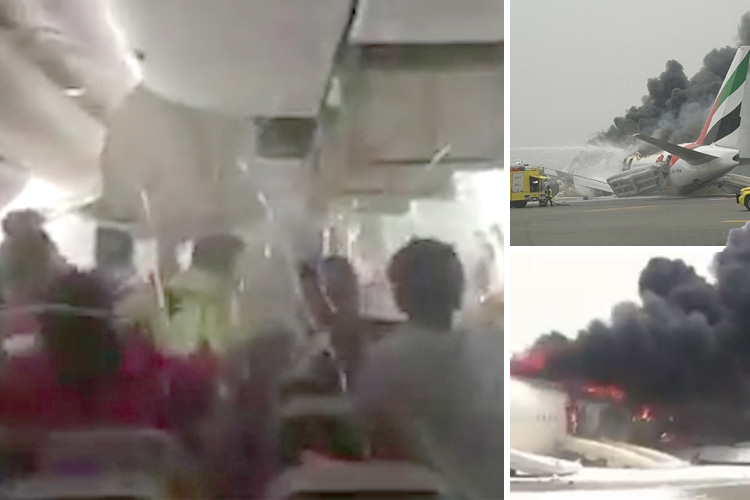
While fortune played a role, experts agree that training and coordination were decisive. Emirates cabin crew followed emergency protocols precisely, guiding passengers quickly and decisively. On the ground, firefighters and rescue teams worked in extreme conditions, confronting intense flames and thick smoke.
Their combined efforts prevented what could have become one of the worst aviation disasters in recent years.
Lessons for Aviation Safety
Aviation specialists stress that every incident—especially one with such a rare outcome—offers critical lessons. Modern aircraft are designed with multiple layers of protection, but human preparedness remains essential.
This event reinforces the importance of crew training, rapid emergency response, and constant review of safety procedures. While air travel remains statistically one of the safest ways to travel, preparedness is what turns potential catastrophe into survival.
Honoring a Fallen Hero
The firefighter who died during the rescue will be remembered for his courage and sacrifice. Survivors have expressed gratitude and sorrow, recognizing that their escape came at the cost of a life given in service to others.
His actions embody the bravery of first responders worldwide—those who run toward danger when everyone else is fleeing.
A Story of Survival
Though terrifying, the Emirates EK521 incident will be remembered not only for fire and fear, but for resilience. The survival of all passengers and crew stands as a powerful example of what training, teamwork, and quick decisions can achieve under pressure.
For aviation authorities, the work now turns toward prevention. For survivors, life moves forward—forever marked by a day when everything could have ended, but didn’t.
Final Thoughts
The fire aboard Emirates Flight EK521 could have resulted in unimaginable loss. Instead, it became a story defined by survival, professionalism, and sacrifice.
In moments when disaster seems inevitable, courage and swift action can still change the outcome—and on that runway in Dubai, they did.