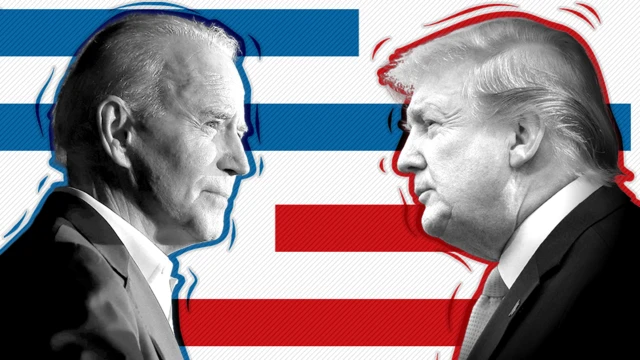
Inflation remains one of the most pressing economic concerns for American households, shaping political debate and influencing voter sentiment as the country compares the economic records of President Donald Trump and President Joe Biden.
According to data from the U.S. Bureau of Labor Statistics, inflation surged to a 40-year high in 2022, peaking above 9% year-over-year. While inflation has since cooled significantly, prices for essentials such as groceries, housing, and energy remain noticeably higher than they were just a few years ago. For many Americans — particularly retirees and middle-class families — the question is not whether inflation has slowed, but whether their purchasing power has truly recovered.
During Donald Trump’s presidency (2017–2021), inflation remained relatively stable, averaging around 2% annually before the COVID-19 pandemic. The pre-pandemic period was marked by low unemployment, strong stock market performance, and steady consumer confidence. Supporters of Trump argue that tax cuts, deregulation, and pro-business policies created an environment of controlled inflation and economic growth.
However, critics note that the pandemic in 2020 triggered unprecedented government spending under both administrations. Massive stimulus packages were introduced to stabilize the economy. When Joe Biden took office in 2021, additional relief spending and supply chain disruptions contributed to rising prices worldwide. Economists also point to global factors — including energy shocks and post-pandemic demand surges — as major drivers of inflation, not solely domestic policy decisions.
Under Biden, inflation accelerated sharply in 2021 and 2022 before beginning to decline following aggressive interest rate hikes by the Federal Reserve. The Federal Reserve increased rates at the fastest pace in decades to cool demand and stabilize prices. While this strategy helped reduce inflation, it also raised borrowing costs for mortgages, credit cards, and small businesses.
The political debate remains intense. Trump argues that inflation “exploded” under Biden due to excessive government spending and energy policies that restricted domestic production. Biden’s administration counters that inflation was a global phenomenon and highlights job growth, infrastructure investment, and falling inflation rates as signs of economic resilience.
For everyday Americans, the comparison is practical rather than ideological. Grocery bills remain elevated. Housing affordability is strained due to high mortgage rates. Gas prices fluctuate based on global markets. Even as inflation percentages decline, cumulative price increases continue to weigh on household budgets.
Looking ahead, the key economic question is whether inflation will stabilize near the Federal Reserve’s 2% target without triggering a recession. Financial markets remain cautious but optimistic, while voters increasingly rank the economy as their top issue heading into the next election cycle.
The contrast between Trump’s pre-pandemic stability and Biden’s post-pandemic inflation fight will likely dominate economic discussions in the months ahead. As policymakers debate fiscal responsibility, taxation, and energy independence, Americans are watching closely — not just the numbers, but the real impact on their daily lives.